Guide
How often should you repaint your house?
There is no fixed schedule for repainting, but there are sensible ranges for each room and surface. This guide sets them out, along with the signs that paint has had its day and what makes a finish last longer.
It depends on use, not the calendar
How long paint lasts depends on how much wear a surface gets, how much light and moisture it is exposed to, the quality of the paint, and above all how well it was prepared last time. A spare bedroom painted properly can look fine for a decade. A hallway in a busy family house may look tired in two years.
The ranges below are typical guidance for London homes in normal household use. They are not promises, and your own house may do better or worse depending on the factors above.
Interior rooms: typical intervals
- Hall, stairs and landing: every 2–4 years. It is the busiest route in the house, with bags, coats, buggies and hands on the walls.
- Kitchen: every 3–5 years. Grease, steam and cleaning take their toll, especially near the hob and the bin.
- Bathroom: every 3–5 years, sooner if ventilation is poor and mould keeps returning.
- Children's rooms: every 2–4 years, often driven by changing tastes as much as wear.
- Living room: every 4–7 years.
- Bedrooms: every 5–8 years where there is little wear.
- Dining rooms and spare rooms: 5–10 years if lightly used.
A durable, washable emulsion in the busiest areas pushes these intervals towards the longer end, because marks can be wiped off rather than painted over.
Ceilings, woodwork and details
- Ceilings: often 5–10 years, but kitchens and bathrooms sooner. Ceilings usually get repainted with the walls, because fresh walls make an old ceiling look grey.
- Skirting, doors and architraves: every 4–8 years. Skirting takes knocks from vacuum cleaners and feet; door edges and frames take hands and bags.
- Inside window frames and sills: every 4–6 years, particularly where condensation collects in winter.
- Banisters and handrails: every 3–5 years in a busy house.
Oil-based gloss on interior woodwork tends to yellow with age, particularly in darker rooms, and that yellowing is often what prompts a repaint rather than damage. Water-based trim paints hold their colour better.
Exterior: typical intervals
- Exterior timber (windows, doors, fascias, bargeboards): every 4–6 years, with south- and west-facing elevations often needing it sooner.
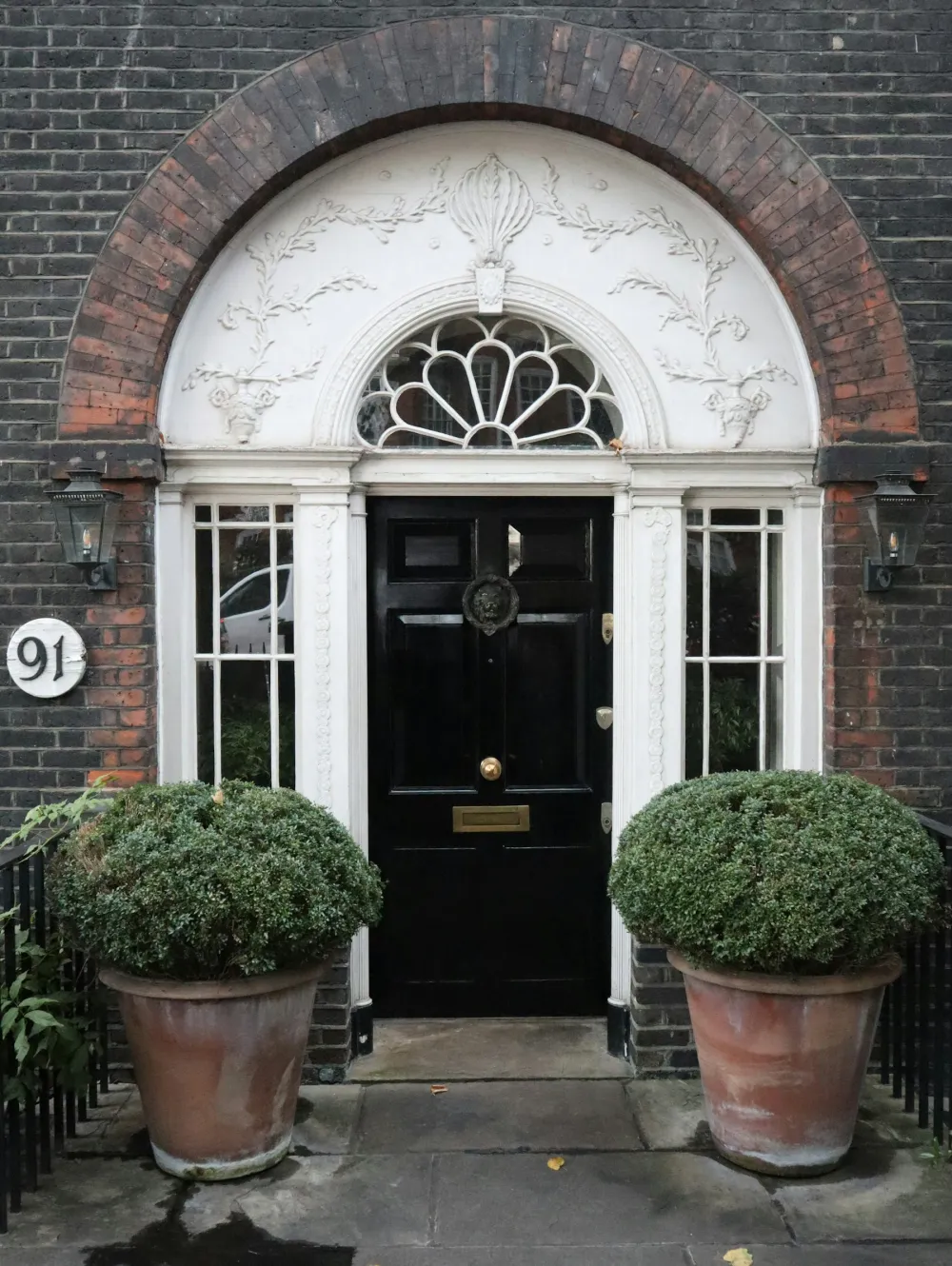
- Front door: every 3–6 years, depending on exposure and use.
- Painted masonry and render: every 8–12 years, if the surface was well prepared and gutters and downpipes are working.
- Metal railings and gates: every 4–6 years, or as soon as rust starts breaking through.
- Fences: every 2–5 years, depending on the product and whether the fence is in shade or full sun.
The borough's mix of Victorian terraces, 1930s semis and newer blocks means exposure varies a lot from street to street. A wall facing open ground or the prevailing south-westerly weather needs attention sooner than a sheltered one. There is more on timing and preparation in our exterior painting tips.
Signs it is time to repaint
Rather than going by the calendar, look for these signs:
- Marks that no longer wipe off, or wiping that leaves shiny patches on matt paint.
- Faded or uneven colour, often most obvious where a picture or piece of furniture has been moved.
- Cracking, flaking or peeling on woodwork, around windows or on ceilings.
- Yellowing on white gloss or ceilings.
- Mould or recurring stains, especially in bathrooms, on cold outside walls and behind furniture.
- Outside: bare timber showing through, paint lifting on window sills, powdery masonry paint that rubs off on your hand, and rust spots on railings.
Outside, it pays to act at the first signs. Repainting timber while the old paint is mostly sound costs far less than repairing rot once water has got in. Mould and water stains need proper treatment rather than a quick coat over the top; see mould and stain treatment painting.
Rented property and repainting between tenancies
Many landlords repaint every 3–5 years, or between tenancies when walls show wear. The gap between one tenant leaving and the next moving in is the easiest time to do it, but it is short, so plan early.
- A neutral, durable, washable emulsion makes touch-ups easier during a tenancy.
- Keep a record of the exact colours and products used, so small areas can be matched later.
- Check the check-out report and deal with any damp or mould at the same time, rather than painting over it.
As an example, repainting the interior of a two-bedroom flat typically comes to £3,400–£5,150, and a three-bedroom house £6,440–£9,990, depending on condition and how much woodwork is included. See painting and decorating for landlords for how void repaints are scoped, and end-of-tenancy painting for who pays for what at check-out.
Preparation decides how long paint lasts
Two rooms painted with the same paint on the same day can look very different five years later. The difference is almost always preparation.
- Paint applied over dust, grease or flaking layers fails early, because it is only as well stuck as whatever is underneath.
- Unfilled cracks reappear within weeks.
- Gloss applied over old gloss without sanding can peel off in strips.
- New plaster painted without a mist coat can flake.
- Stains painted without a stain-block primer bleed back through.
Good paint lasts longer and covers better, but it cannot make up for a poor surface. When comparing quotes, look at what preparation is included, not just the number of coats. Our quotes list the preparation included, so you can see what you are paying for.
Planning a repaint in stages
If the whole house is due, doing it in one go is usually quicker overall and keeps colours consistent. If not, a sensible order is:
- exterior timber and anything letting water in, because delay costs more;
- the hall, stairs and landing, which get the most wear and set the tone for the house;
- the kitchen and bathroom;
- living rooms and bedrooms as they need it.
If you are weighing up single rooms against the whole house, full-property repainting explains how larger jobs are planned. For an indicative price on any combination of rooms, use the Instant Quote.