Fence painting
Fence painting
Fence painting and staining for garden fences and boundary fences across Ealing, with sheds and decking added where needed. We cover which product to use, spraying versus brushing, neighbours and what affects the price.
Paint, stain or oil?
- Fence paint gives an opaque, even colour, from greens and greys to black. It hides old, patchy timber well and is easy to recoat.
- Wood stain colours the timber while letting the grain show through, which suits newer fences.
- Oil or clear preserver soaks in to protect the timber with little change in colour. It suits smooth, planed or hardwood fences more than rough-sawn panels.
Once a fence has been painted a solid colour, going back to a natural stain is very difficult, so it is worth deciding before the first coat.
Spraying or brushing?
Spraying is fast on long runs of rough-sawn panels and gets into every groove. But it produces overspray that drifts on the lightest breeze onto neighbours' cars, windows, plants and patios. In a typical London garden, with close neighbours and cars parked nearby, brushing is often the better choice, or spraying only in still conditions with thorough sheeting.
Brushing works the product into the timber and gives more control around plants, posts and gravel boards. The quote says which method is proposed and why.
Shared and boundary fences
Before painting, it helps to know who owns the fence. Title deeds and the Land Registry plan sometimes show boundary ownership, although they are often unclear. You can normally treat the side facing your own garden, but painting your neighbour's side needs their agreement and access from their garden.
If your neighbour agrees, doing both sides together gives a consistent finish and protects the whole fence. A short conversation before work starts also avoids surprises about colour or drifting spray.
New fences and treated timber
New pressure-treated timber is often still damp from treatment and has a slightly waxy surface, so paint and stain soak in unevenly. Many timber suppliers advise waiting several weeks, or even a few months, before coating. Check the advice for your panels; dip-treated panels are often ready sooner.
Once it is ready, a fence that gets its first coats early in its life is far easier to keep in good order than one left bare until the boards have greyed and started to split.
Preparing an old fence
An older fence usually carries algae, green growth and dirt that stop new coatings sticking. It is brushed down, treated with an algae or fungicidal wash and left to dry fully. Loose flaking paint is scraped off, and plants and climbers are tied back and protected. Broken panels, rotten posts and loose rails should be repaired by a fencer or landscaper first, as painting does not strengthen them.
Sheds, summerhouses and decking can often be done at the same visit using compatible products; decking needs a proper deck stain or oil rather than fence paint, because it is walked on. If the house itself needs attention, see exterior painting.
What does fence painting cost?
As an example, painting 10 m of 1.8 m fence on one side typically comes to £450–£560. The price rises with height, painting both sides, trellis or featheredge boards, heavy algae and awkward access. Many terraced houses in Ealing have no side gate, so it helps to say whether everything has to be carried through the house.
Use the Instant Quote to enter the fence length, height and a photo, and the decorator confirms a fixed quote. The paint calculator can help if you are buying the product yourself.
What changes the price
- Length and height
- Total area is the main driver, and taller fences need steps.
- One or both sides
- Painting the neighbour's side doubles the area and needs access from their garden.
- Panel type
- Trellis, featheredge and rough-sawn boards take more product and time than smooth panels.
- Condition
- Algae, grime and flaking paint all need dealing with first.
- Garden access
- Carrying materials through the house is slower than using a side gate.
Every one of these is a question in the Instant Quote, so your range reflects your job. See typical figures in the price guide.
Questions people ask
Can I paint a new fence straight away?
Often not. Pressure-treated timber may need several weeks or months to dry before paint or stain will take evenly. Follow the timber supplier's guidance.
Is spraying a fence better than brushing?
Spraying is quicker on long runs, but overspray can drift onto neighbouring property. Brushing is slower but controlled, and it is often better in small London gardens.
Can you paint my neighbour's side of the fence?
Only with their permission and access through their garden. Many neighbours are happy to have both sides done together for an even finish.
How long does fence paint last?
Typically a few years, depending on the product, sun exposure and preparation. Stains and oils usually need topping up more often than paint.
Do you repair fences as well?
No. Painting does not fix loose posts or rotten panels, so those should be repaired by a fencer or landscaper before painting.
What colour should I paint my fence?
Dark shades such as charcoal, deep green and black make a fence recede so planting stands out, while lighter colours brighten a small, shady garden but show dirt and algae sooner. If the neighbour's side is being done too, agree the colour with them first.
Related
Often priced together
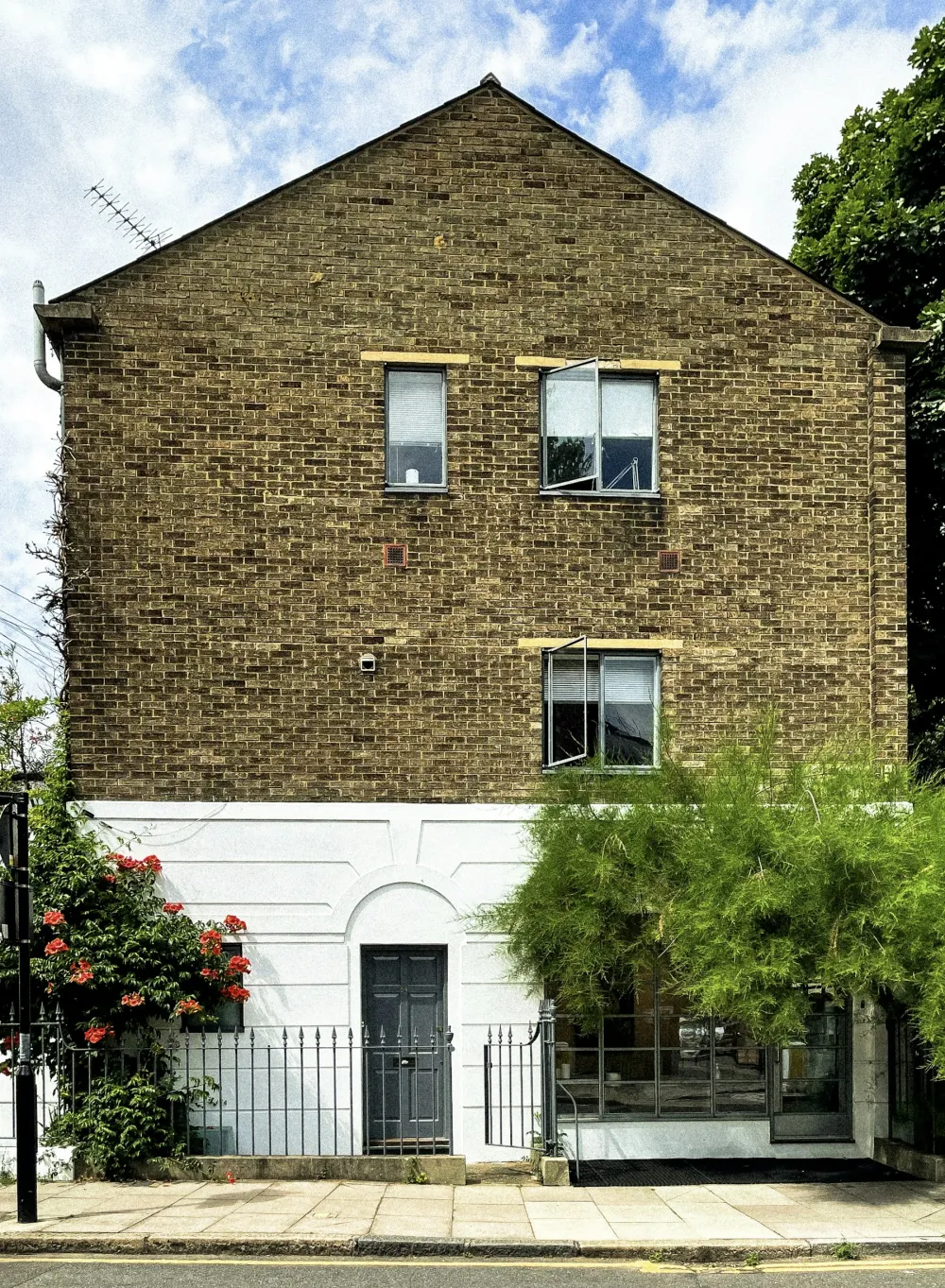
Exterior painting
Masonry, render, windows, doors, soffits
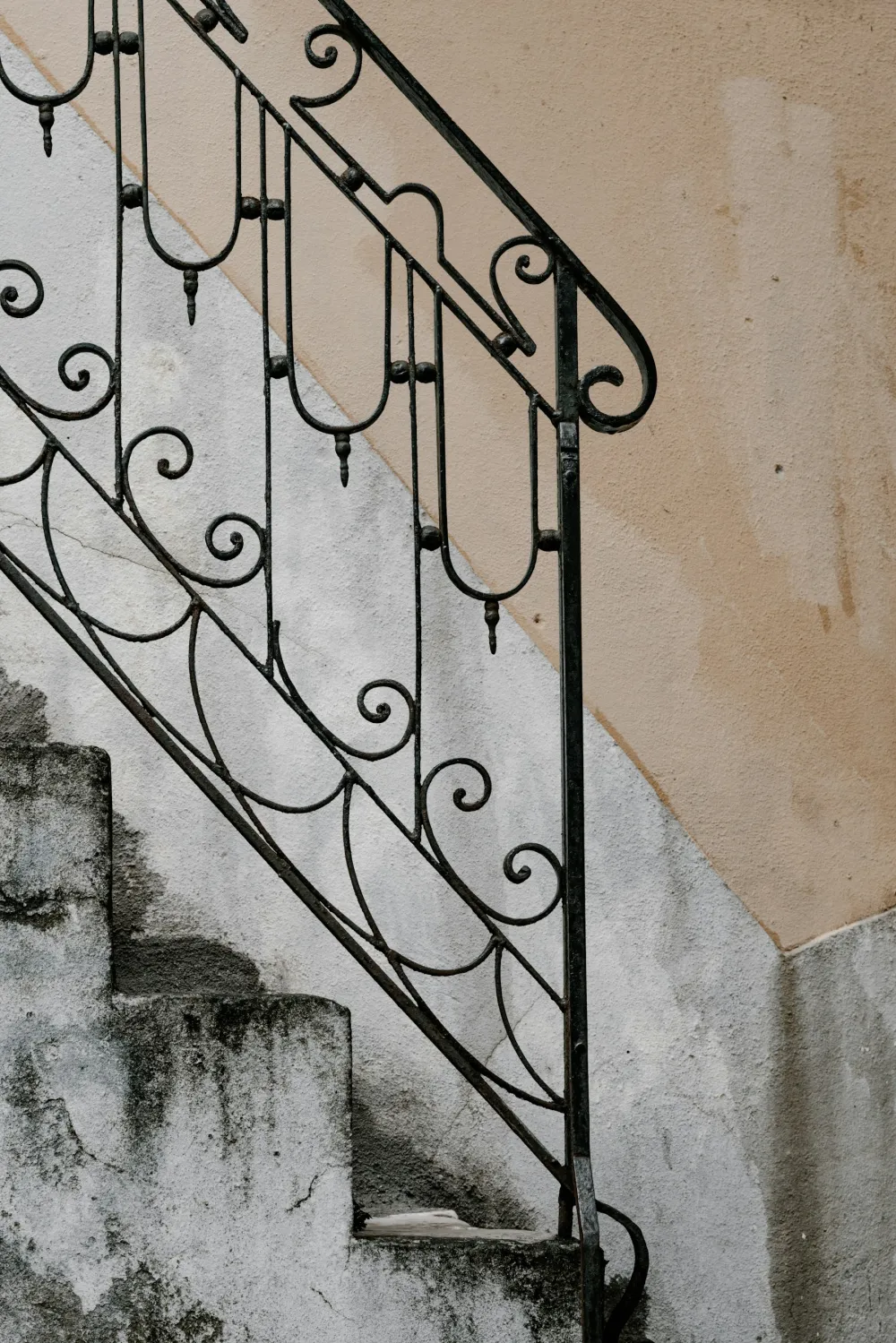
Gates & railings
Rust treatment, cast-iron railings, gates
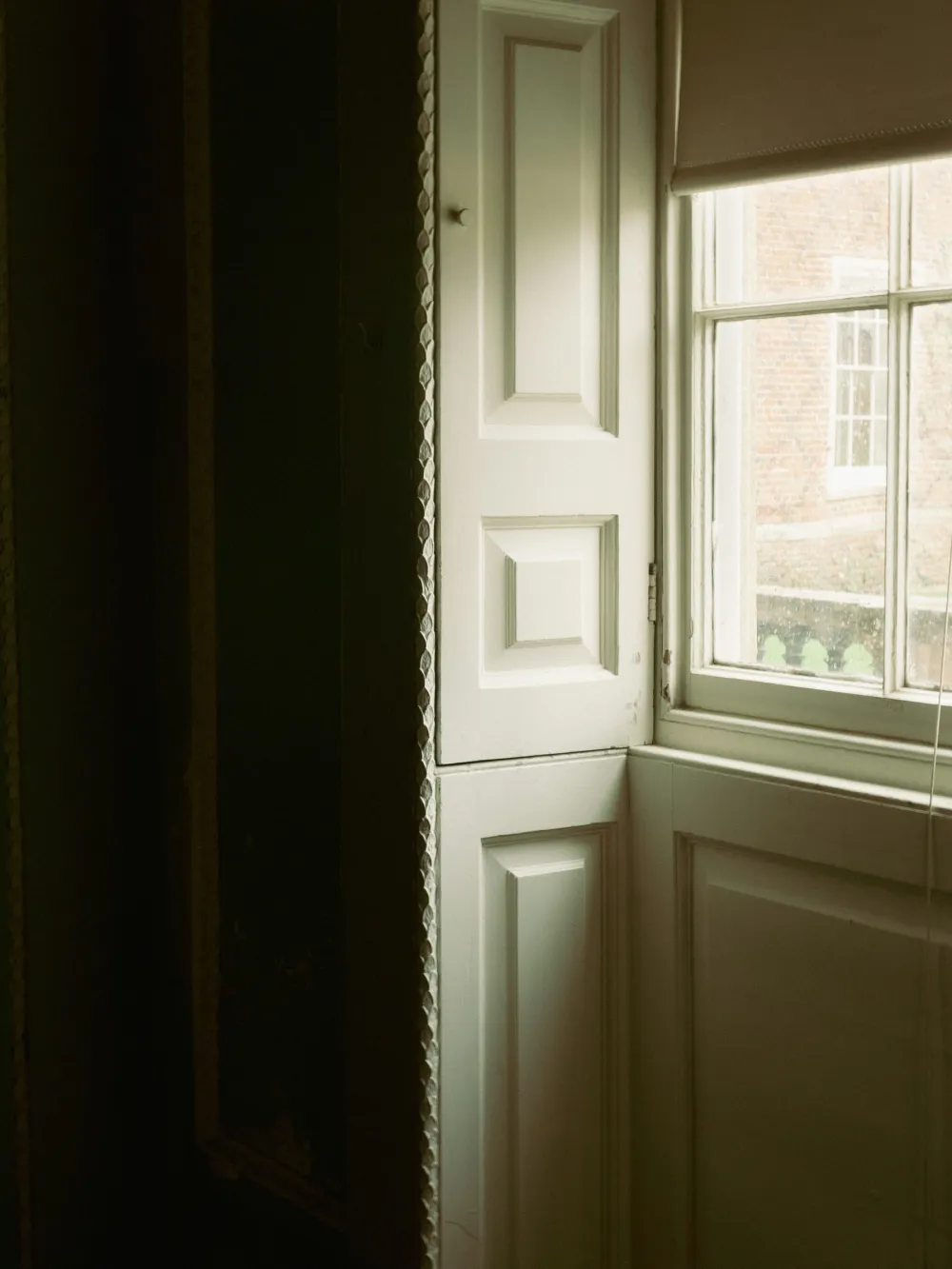
Woodwork & sash windows
Doors, skirting, sash and casement windows
Local pages where this work features: Greenford · Northolt · Perivale · every part of the borough
An indicative price for your fence painting
Describe the work and see an indicative range straight away. A decorator then reviews it and confirms a fixed quotation.