Metal & railings
Metal gate and railing painting
Painting metal railings, gates and balconies, including rust treatment on Victorian cast-iron front railings. We explain how rust is dealt with, why old paint needs care, and which finishes last longest.
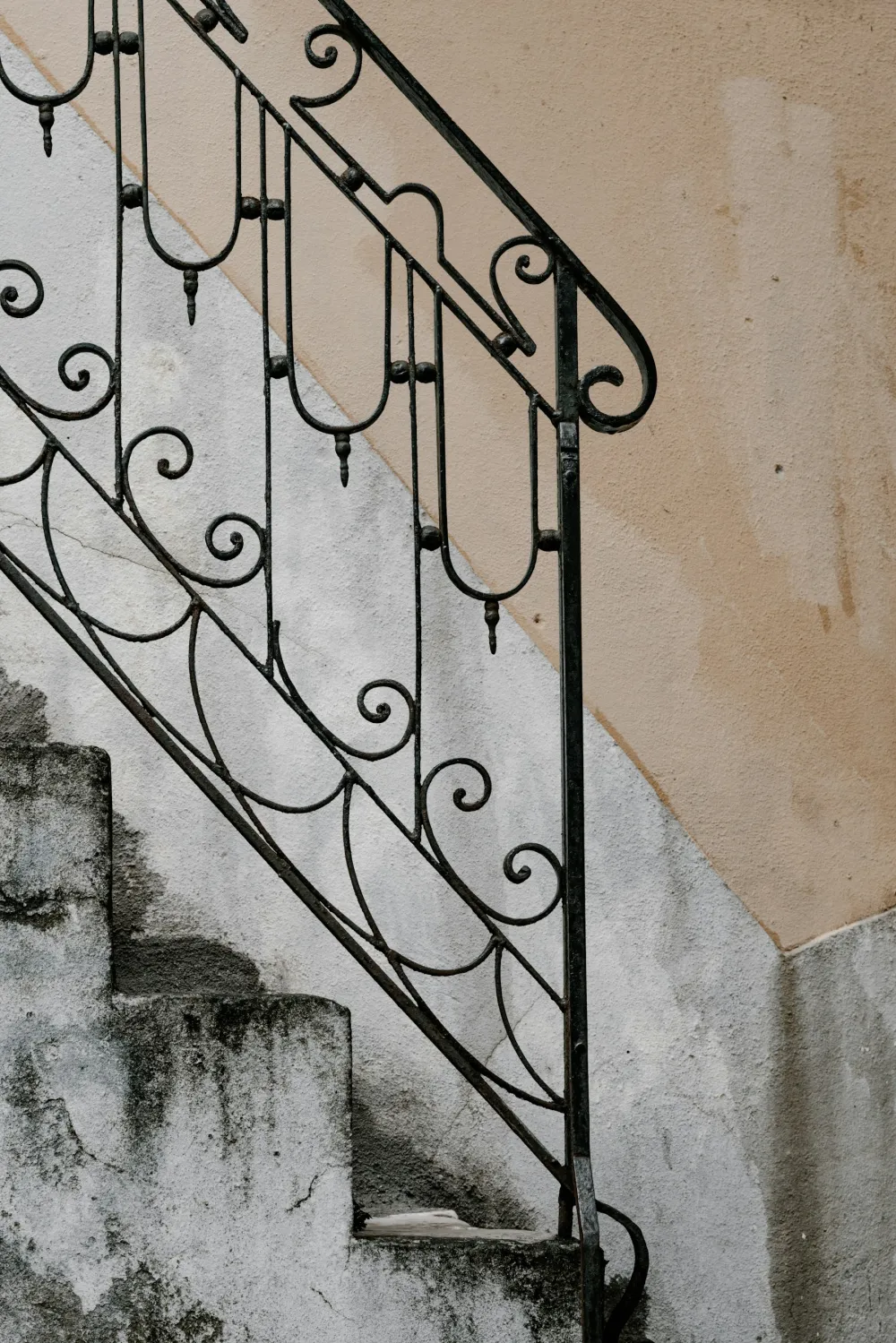
Railings on period streets
Front garden walls topped with cast-iron railings are a defining feature of many Victorian and Edwardian streets in Ealing, Acton and Hanwell. Some are original, some are modern replacements, and many have been painted dozens of times. Cast iron is brittle and intricate in shape; wrought iron and mild steel are more forgiving. All of them rust where the paint has cracked, usually at the base where they sit in the stone or brick coping, and at the joints.
Where the bars are set into holes in the coping, water collects around each base and rust starts there first, so that joint gets the most attention during preparation.
Rust treatment, step by step
- Loose rust and flaking paint are removed with wire brushes, scrapers and abrasive pads, working into scrolls and finials.
- Sound old paint is keyed so the new coats grip.
- Remaining surface rust is treated with a rust converter or rust-inhibiting primer where full removal is not practical.
- Bare metal is primed promptly, with a zinc-phosphate or red-oxide primer on iron and steel.
- An undercoat and one or two top coats of metal paint follow.
Rust treatment on site is not the same as blasting a gate back to bare metal in a workshop. Railings with heavy corrosion, splits or missing sections should be repaired by a metalworker or blacksmith before painting.
Old paint may contain lead
Railings and gates first painted before the 1960s very often have lead-based paint in their lower layers. It is harmless while intact but hazardous as dust or fumes. That is why old paint on railings is tested where there is doubt, and taken back by wet abrading and scraping, never by dry sanding, power sanding or burning off. Debris is collected rather than left in front gardens or washed into the gutter.
Gloss, satin or direct-to-metal?
Black gloss is the traditional finish for Victorian railings and suits most period frontages. Gloss is also the most weather-resistant, as water runs straight off it. Satin gives a softer, more modern look and is kinder to old, pitted iron. Direct-to-metal paints combine primer and top coat, which saves time on lightly rusted metal, but on badly corroded railings a separate primer and top coat usually lasts longer.
A colour change on a street of black railings may be noticed in a conservation area, so if your house is in one, check with Ealing Council before changing it. The exterior painting page covers the rules for house fronts in more detail.
Gates, balconies and other metalwork
The same process applies to side gates, garden gates, Juliet balconies, metal fire escapes, boot scrapers and cast-iron downpipes. Hinges and latches are kept free of paint so they still move, and gates are painted in two stages so the faces and edges hidden when closed are covered too. Galvanised steel, often used for new gates, needs a primer or etch made for galvanising, otherwise the paint can peel off in sheets.
What does railing painting cost?
As an example, 6 m of front railings typically comes to £450–£560. Ornate cast-iron patterns, heavy rust, lead paint precautions and railings above basement lightwells or on high walls all add time. Dry, mild weather matters here too, because moisture trapped under primer restarts rust quickly. The prices page has other examples.
The Instant Quote lets you enter the length of railing or the number of gates, with photos. Close-ups of the rust at the base help the decorator confirm a fixed quote.
What changes the price
- Length and pattern
- Ornate cast-iron scrolls and finials take much longer than plain bars.
- Rust level
- Heavy corrosion needs more removal, treatment and primer.
- Lead paint precautions
- Wet abrading and collecting debris are slower than normal preparation.
- Access
- Railings above lightwells or on high walls can need extra equipment.
- Galvanised metal
- Galvanised surfaces need a specific primer or etch before painting.
Every one of these is a question in the Instant Quote, so your range reflects your job. See typical figures in the price guide.
Questions people ask
Can you paint over rust?
Not directly. Loose rust has to be removed and the rest treated and primed, or it keeps spreading under the new paint.
What is the best paint for metal railings?
A zinc-phosphate or red-oxide primer on bare metal, followed by a metal gloss or satin top coat. Direct-to-metal paints suit lightly rusted metal.
How often do railings need painting?
Usually every few years, depending on exposure. Touching up chips before rust takes hold makes each repaint quicker.
Could the old paint on my railings contain lead?
If it dates from before the 1960s, it may well do. It is tested if in doubt and removed wet, never by dry sanding or burning.
Can galvanised gates be painted?
Yes, with a primer or etch made for galvanised steel. Ordinary paint on new galvanising tends to peel.
Should the front wall be painted before the railings?
Usually yes. The masonry and coping go first, then the railings, so any masonry paint that touches the bars is covered by the metal finish. If only the railings are being done, the coping is protected with tape and sheeting.
Related
Often priced together
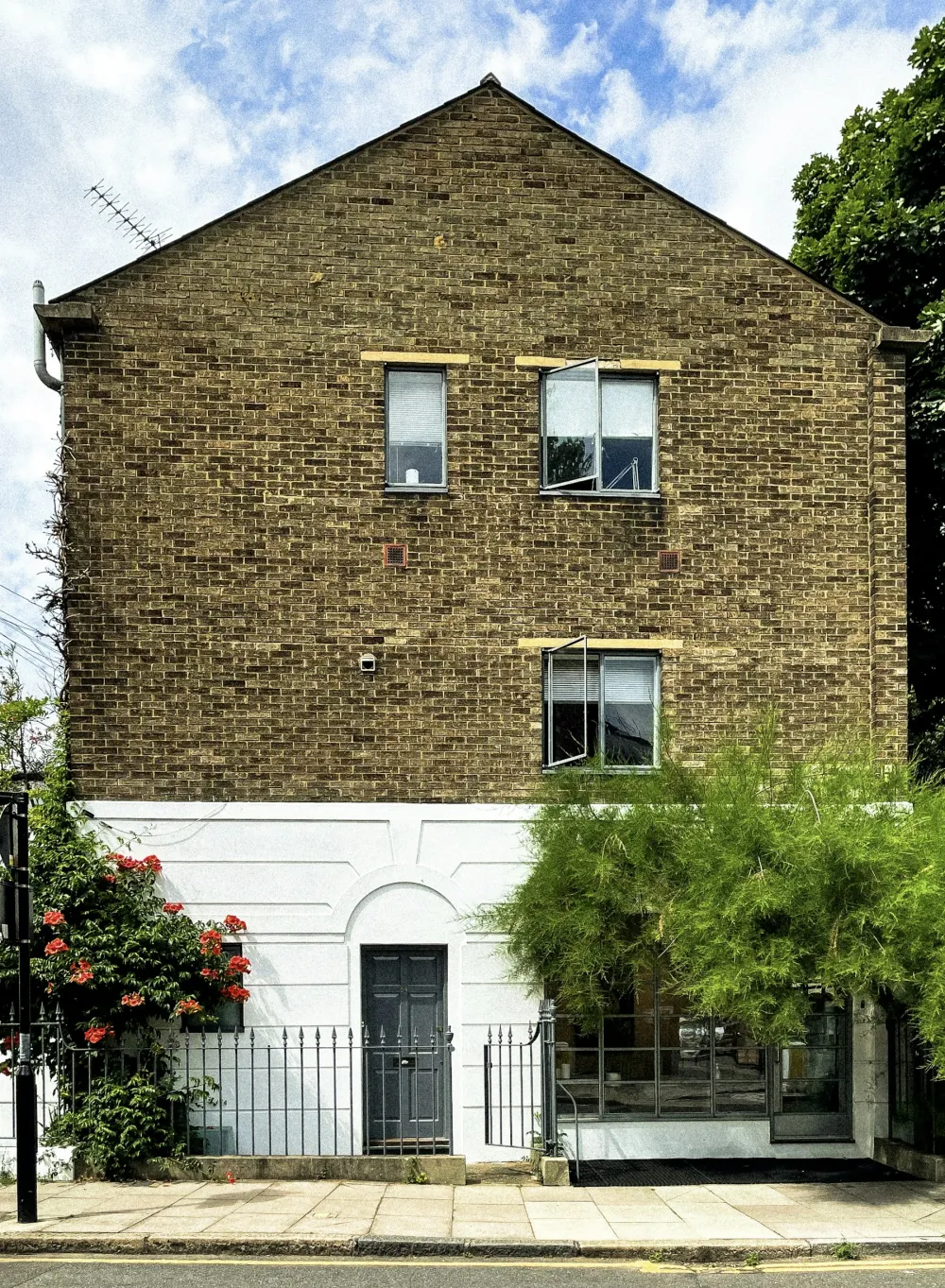
Exterior painting
Masonry, render, windows, doors, soffits
Fence painting
Garden fences, paint or stain
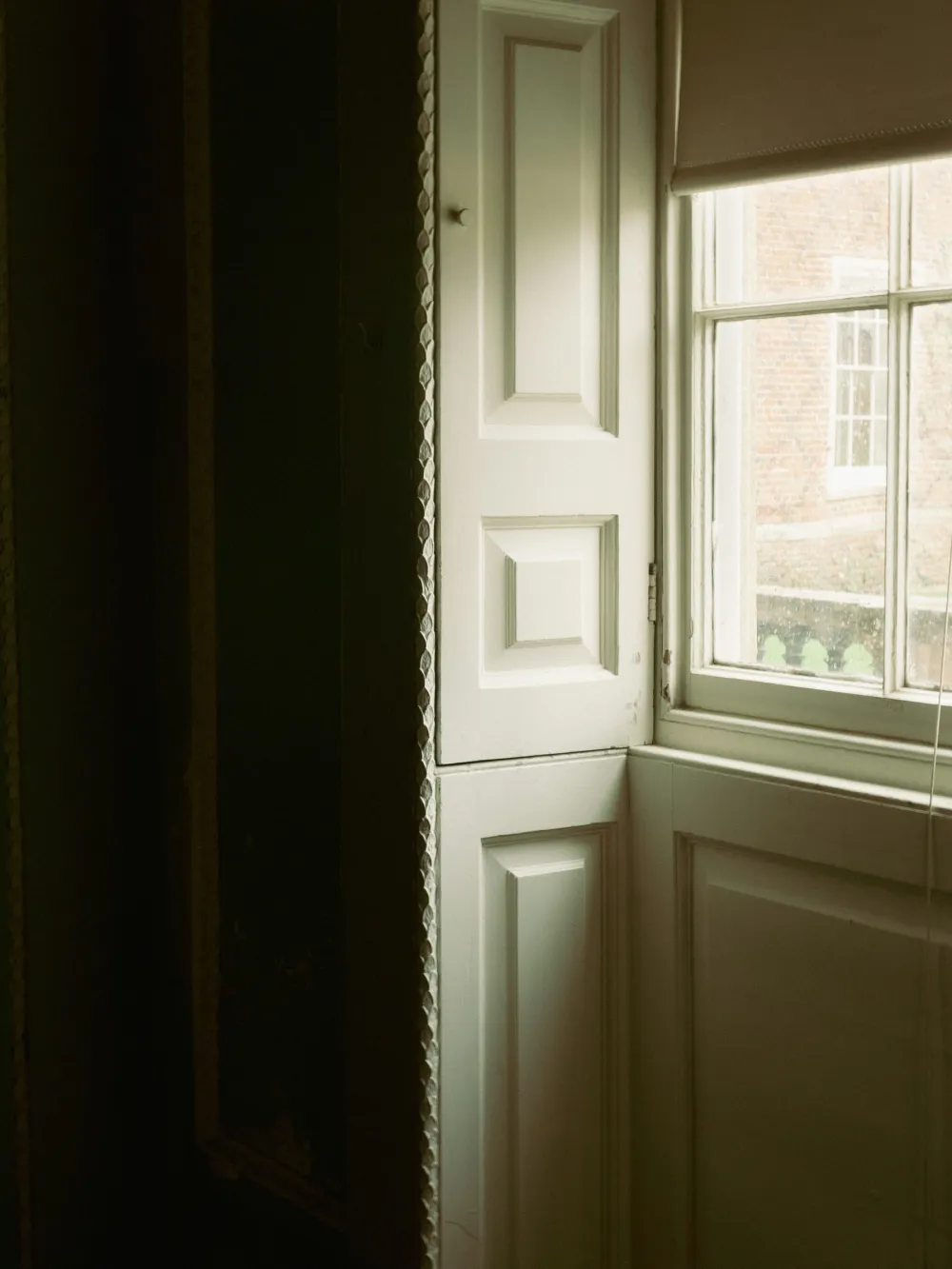
Woodwork & sash windows
Doors, skirting, sash and casement windows
Local pages where this work features: Hanwell · every part of the borough
An indicative price for your gates & railings
Describe the work and see an indicative range straight away. A decorator then reviews it and confirms a fixed quotation.