Woodwork
Woodwork, doors and sash windows
Painting doors, skirting boards, architraves, stairs and sash and casement windows in homes across Ealing. We explain oil versus water-based paint, what knotting and sticking sashes involve, and what affects the price of woodwork painting.
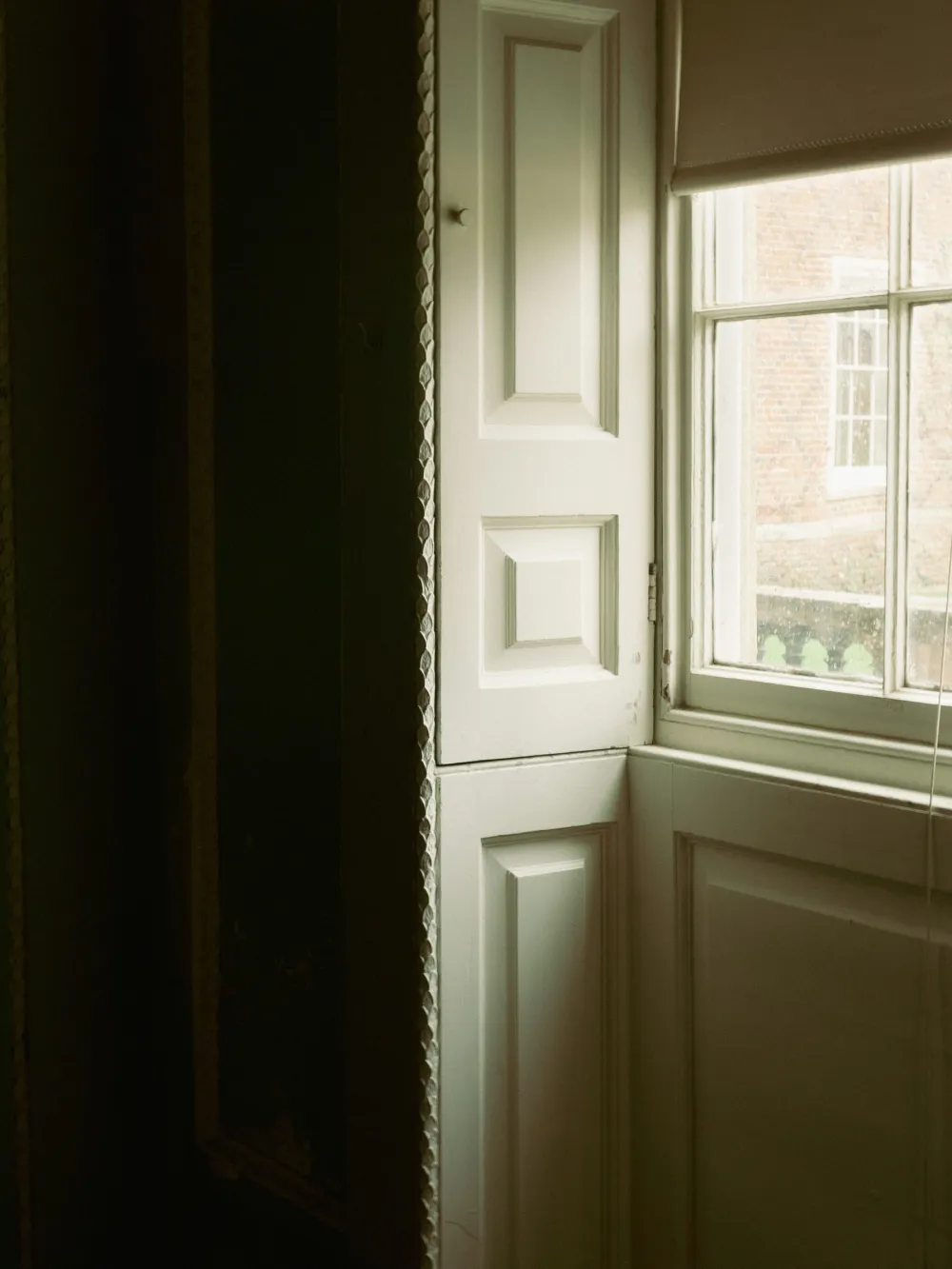
What counts as woodwork?
Woodwork, sometimes called trim or joinery, is every painted timber surface in a room: skirting boards, door frames and architraves, doors, window frames and sashes, dado and picture rails, and staircase timber. It takes far longer per square metre than walls, and it is what people notice first when a room is finished.
Oil-based or water-based trim paint?
Water-based eggshell and satin paints dry in a few hours, have little smell, stay white and are flexible enough to move with the timber. They are now the usual choice for interior woodwork.
Oil-based gloss and eggshell flow out smoothly and give a very hard finish, but they take most of a day to dry, smell for longer and yellow with age, particularly in rooms with little daylight and behind radiators. Switching from oil to water-based paint is possible, but the old gloss must be sanded to a dull key and coated with a suitable adhesion primer first, or the new paint may peel.
Preparing doors, skirting and architraves
- Washing off grease and grime, especially around handles and push plates.
- Sanding to key the old surface and to remove runs and drips from earlier coats.
- Filling dents and open joints, and caulking gaps between skirting and wall.
- Sealing bare knots with knotting solution so resin does not bleed through as brown patches.
- Priming bare timber and filled areas before undercoat and top coat.
Paint layers from before the 1960s may contain lead. Where there is any doubt they are tested, and they are rubbed down wet, never dry-sanded or burnt off.
Sash window painting
Many Victorian and Edwardian houses in Ealing still have timber sash windows, and they need a particular approach. Sashes that have been painted shut are carefully cut free along the beads. Sticking sashes are usually caused by paint build-up on the edges and runners, which is eased back so the window slides again; the running faces are kept free of heavy paint.
Putty and glazing bars are painted with the paint lapping about 2 mm onto the glass, which seals the join against water, and the glass is then cleaned with a blade to leave a crisp line. Rotten timber, broken cords and failed putty are noted before painting: minor filling is part of the job, while serious repairs are for a joiner or sash specialist. As an example, painting one sash window on the inside typically comes to £140–£230.
Casement windows and doors
Casement windows, common on 1930s semis in Greenford, Northolt and Perivale and on later homes, are simpler to paint, but their opening edges still need thin coats so they close properly. Doors are painted in a set order, panels first, then the rails, then the stiles and edges, so there are no lap marks. As an example, one interior door painted on both sides with its frame typically comes to £100–£150.
Panelled period doors take longer than flush modern ones, and doors with years of built-up paint may need the worst layers taken off so the mouldings show again.
Getting a price for woodwork
Because woodwork varies so much, it helps to count doors and windows and note whether skirting is tall and moulded or plain. The Instant Quote lets you add doors, windows and skirting room by room, and photos of sashes or damaged areas help the decorator confirm a fixed quote.
Staircase joinery is covered in more detail on the hallway and staircase page, and outside windows and doors on the exterior painting page.
What changes the price
- Number of doors and windows
- Each opening is priced individually because each takes real time.
- Panelled or flush
- Panelled doors and moulded skirting have far more edges to paint.
- Existing paint condition
- Chipped, drippy or thick old paint needs more sanding and filling.
- Changing from oil to water-based
- Old gloss needs keying and an adhesion primer first.
- Sash window condition
- Painted-shut or sticking sashes take time to free and ease.
- Possible lead paint
- Wet abrading and careful clean-up are slower than normal sanding.
Every one of these is a question in the Instant Quote, so your range reflects your job. See typical figures in the price guide.
Questions people ask
Why has my white gloss turned yellow?
Oil-based paints yellow as they age, faster in darker rooms. Repainting in a water-based trim paint keeps white woodwork white for much longer.
Can you paint over gloss with water-based paint?
Yes, once the gloss has been sanded to a dull key and primed with an adhesion primer. Without that preparation the new paint can peel.
Can you free sash windows that are painted shut?
Freeing painted-shut sashes and easing sticking ones is part of the preparation. Broken cords, rot or loose glass need a sash specialist or joiner.
Can you just paint the skirting boards?
Yes. Skirting boards, doors and frames can be painted without the walls, though adding them to a wider room job makes better use of the visit.
Should woodwork be painted before or after the walls?
After. Woodwork is usually painted last so the cut-in line against the wall is sharp and nothing is marked by later work.
Eggshell or satin for woodwork?
Both are mid-sheen finishes that suit skirting, doors and frames. Eggshell is slightly flatter and hides small imperfections better, which suits period joinery; satin has a touch more sheen and wipes clean a little more easily. Gloss is the traditional high-shine finish and shows every bump, so it is best on well-prepared, smooth woodwork.
Can you paint a front door?
Yes. A front door is prepared like other woodwork, with any weathered timber sanded back and primed, and painted in an exterior-grade finish. Timing matters: it is left open to dry, so mild, dry weather and an early start are best. See the exterior painting page for doors, frames and porches together.
Related
Often priced together
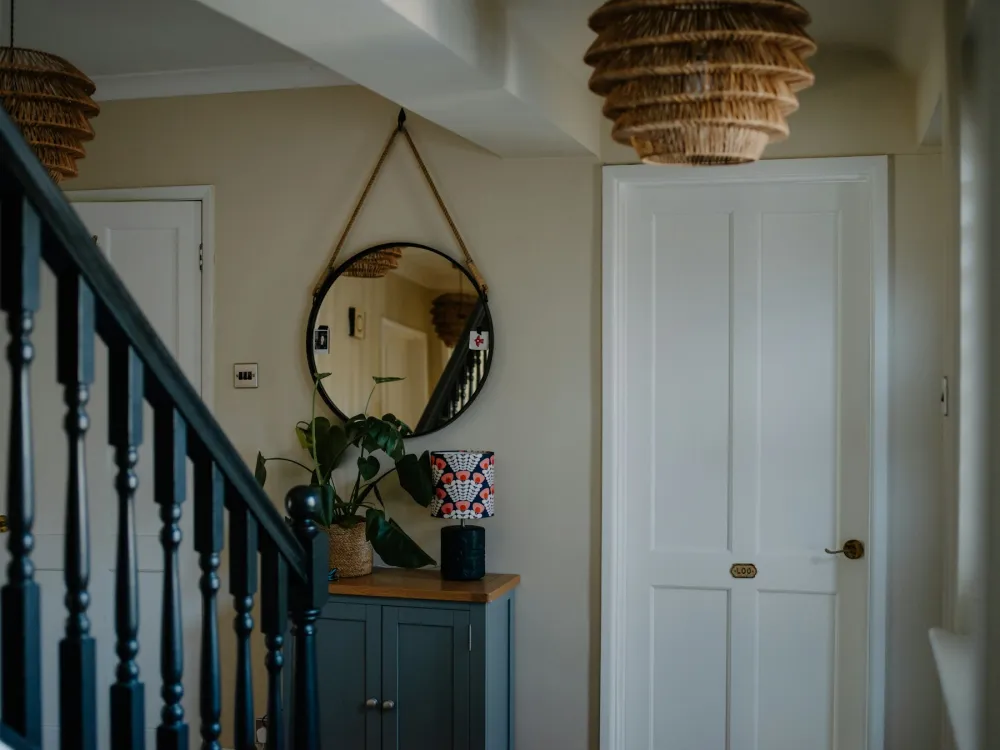
Hallway & staircase
Tall stairwells, spindles, hard-wearing finishes
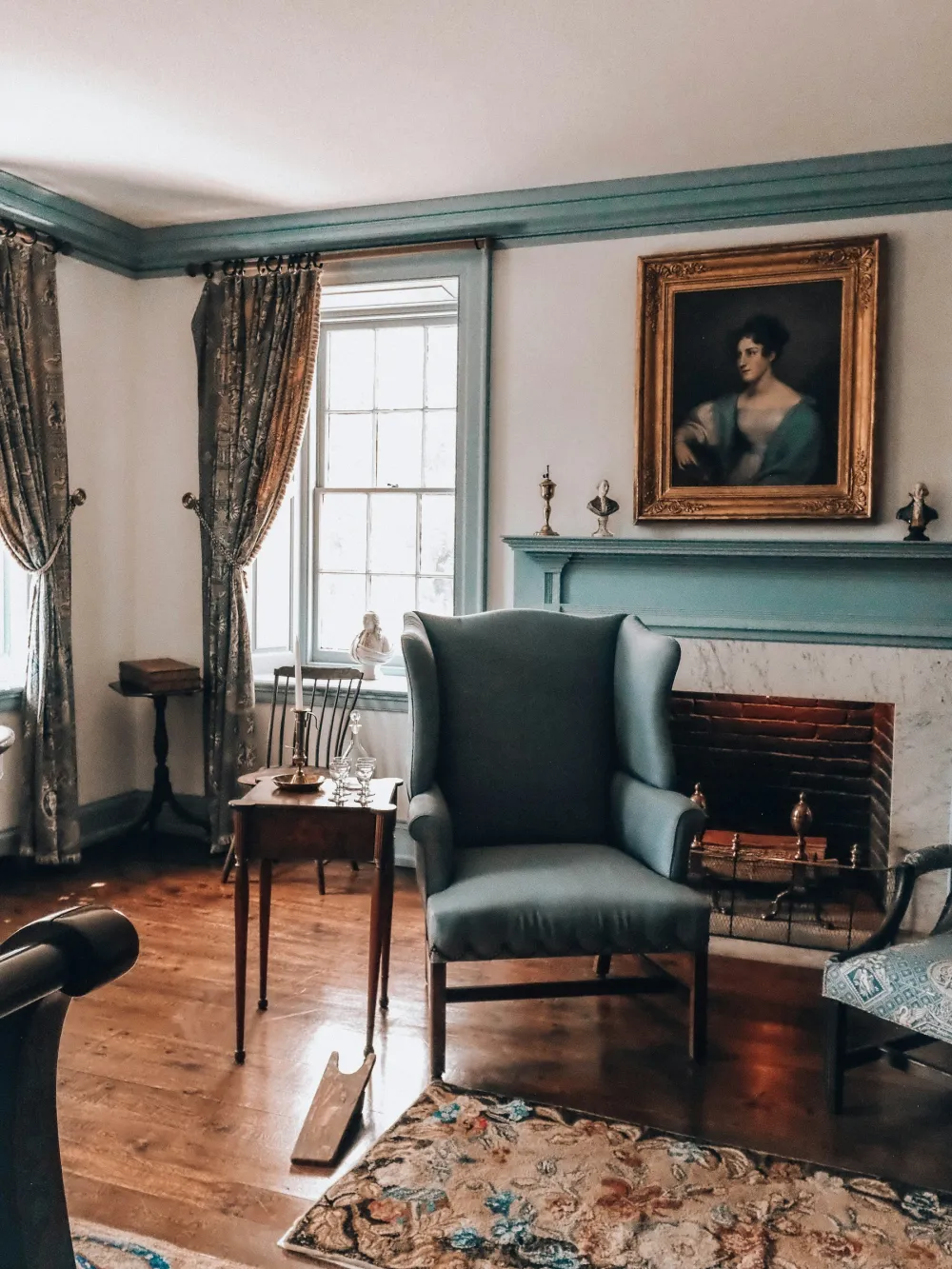
Interior painting
Houses and flats, room by room or throughout
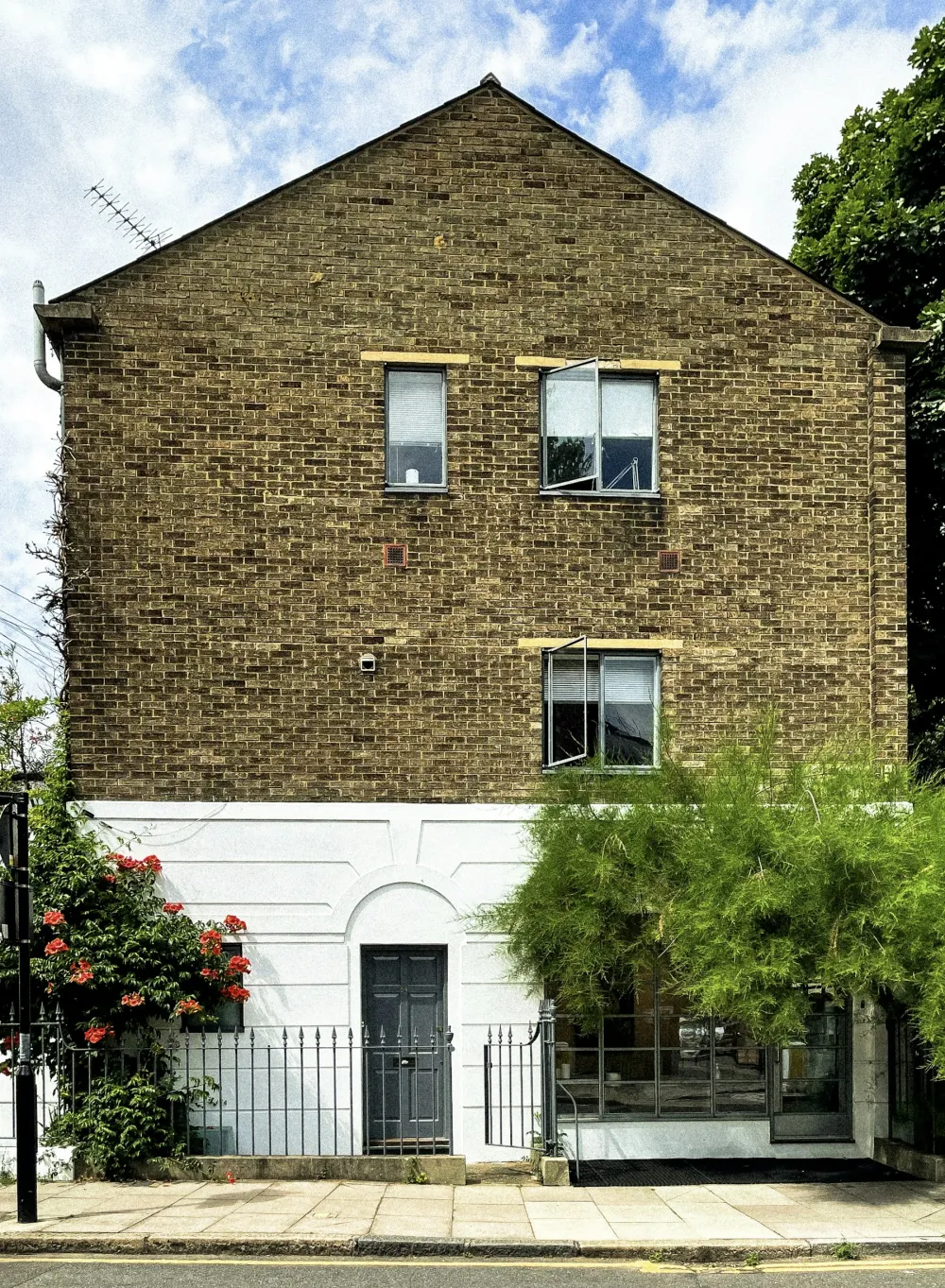
Exterior painting
Masonry, render, windows, doors, soffits
Local pages where this work features: Ealing · Hanwell · every part of the borough
An indicative price for your woodwork & sash windows
Describe the work and see an indicative range straight away. A decorator then reviews it and confirms a fixed quotation.