Mould & stains
Mould, damp stain and water damage painting
Treating and repainting walls and ceilings affected by mould, condensation, water leaks and smoke staining in homes across Ealing. We explain why ordinary emulsion fails over these problems and what a lasting repaint involves.
Why painting over mould does not work on its own
Painting over mould with ordinary emulsion hides it for a few weeks at most. The spores are still alive under the new paint and the conditions that caused them, usually condensation, have not changed, so the black spots grow back through, often worse than before. Water and smoke stains behave in a similar way: they contain salts and tars that bleed through water-based paint.
A lasting result needs three things: dealing with the cause, treating the surface properly, and using paints designed for the conditions.
Fix the cause first
Most mould in homes comes from condensation, when warm, moist air from cooking, showers and drying clothes meets a cold wall, ceiling or window reveal. It appears in the corners of external walls, behind wardrobes and on bathroom ceilings. Better ventilation, such as working extractor fans, open trickle vents, lids on pans and windows opened after showers, makes more difference than any paint.
Some problems are not condensation at all. A patch that grows after rain, a stain below a bathroom, or damp creeping up from the floor points to a leak, a roof or gutter fault, or rising or penetrating damp. Those need a plumber, roofer or damp surveyor before redecoration, and we will say so if what we see looks like one of them rather than paint over it.
How mould is treated before painting
- The affected area is treated with a fungicidal wash and left for the recommended contact time, so the spores are killed rather than just wiped around.
- Dead growth is removed with a damp cloth or scrubbing, never dry-brushed into the air.
- The surface is rinsed if the product requires it and left to dry thoroughly.
- A stain-block primer goes over any marks the mould has left.
- Two coats of an anti-mould or anti-condensation emulsion finish the surface.
As an example, mould treatment with stain block in one room typically comes to £100–£200.
Nicotine, smoke and other stains
Nicotine and smoke leave a yellow-brown film across walls and ceilings, often most obvious when pictures come down. It is washed off with sugar soap first, then sealed with a stain-block primer, often a solvent-based or shellac-based one for heavy staining, before any emulsion. The same approach works for marker pen, crayon, rust marks and tannin bleeding through from timber. It is a common part of preparing a property between lets; the landlord repainting page covers that work.
Repainting after a leak or water damage
Once the leak has been repaired, the ceiling or wall has to dry out completely. Soaked plaster can take several weeks to dry, longer in winter, and painting too soon traps moisture so the stain returns as a tide mark. A moisture meter reading helps decide when it is ready.
If plaster has blown, cracked or sagged, or a plasterboard ceiling has gone soft, those sections need re-plastering or replacing first, and the new plaster then takes a mist coat before finishing. If the damage is part of an insurance claim, keep photos of the damage before and during the work, and ask for the quote in writing so it can go with your claim. The ceiling painting page covers repainting a whole ceiling once repairs are done.
Anti-mould and anti-condensation paints
Anti-mould emulsions contain a fungicide that resists regrowth on the paint film. Anti-condensation paints add a slightly insulating layer that slows the formation of moisture on cold surfaces. Both help in bathrooms, kitchens and cold bedrooms, including those in Victorian terraces in Ealing with solid external walls, but neither can overcome a room that is never ventilated.
To price the work, the Instant Quote lets you describe the problem and upload photos of the affected area. A decorator reviews them, and may suggest a short video call if the cause is unclear.
What changes the price
- Extent of the affected area
- A patch in one corner is quicker than a whole ceiling or several walls.
- Type of stain
- Heavy nicotine or water staining may need a solvent-based stain block and more coats.
- Plaster damage
- Blown or soft plaster must be repaired and mist-coated before finishing.
- Drying time after a leak
- Waiting for a surface to dry can split the work into two visits.
- Specialist paints
- Anti-mould and anti-condensation paints cost more than standard emulsion.
Every one of these is a question in the Instant Quote, so your range reflects your job. See typical figures in the price guide.
Questions people ask
Can you just paint over mould?
Not if you want it to stay away. The mould has to be killed with a fungicidal wash, the marks sealed with a primer, and the moisture source reduced, or it grows back through new paint.
Is anti-mould paint enough to stop mould coming back?
It helps, but it cannot solve poor ventilation or a leak. It works best once the cause has been dealt with.
How long after a leak can a ceiling be painted?
Only once it is fully dry, which can take several weeks after a serious leak. Painting earlier usually brings the stain back.
Why is mould not dry-brushed off?
Dry brushing releases spores into the air, which can affect people with allergies or breathing problems. Mould is treated and removed wet instead.
Do you fix leaks or damp?
No. We repaint once the cause is repaired. If the problem looks like a leak, a roof fault or rising damp, we will say so and suggest the right trade.
Related
Often priced together
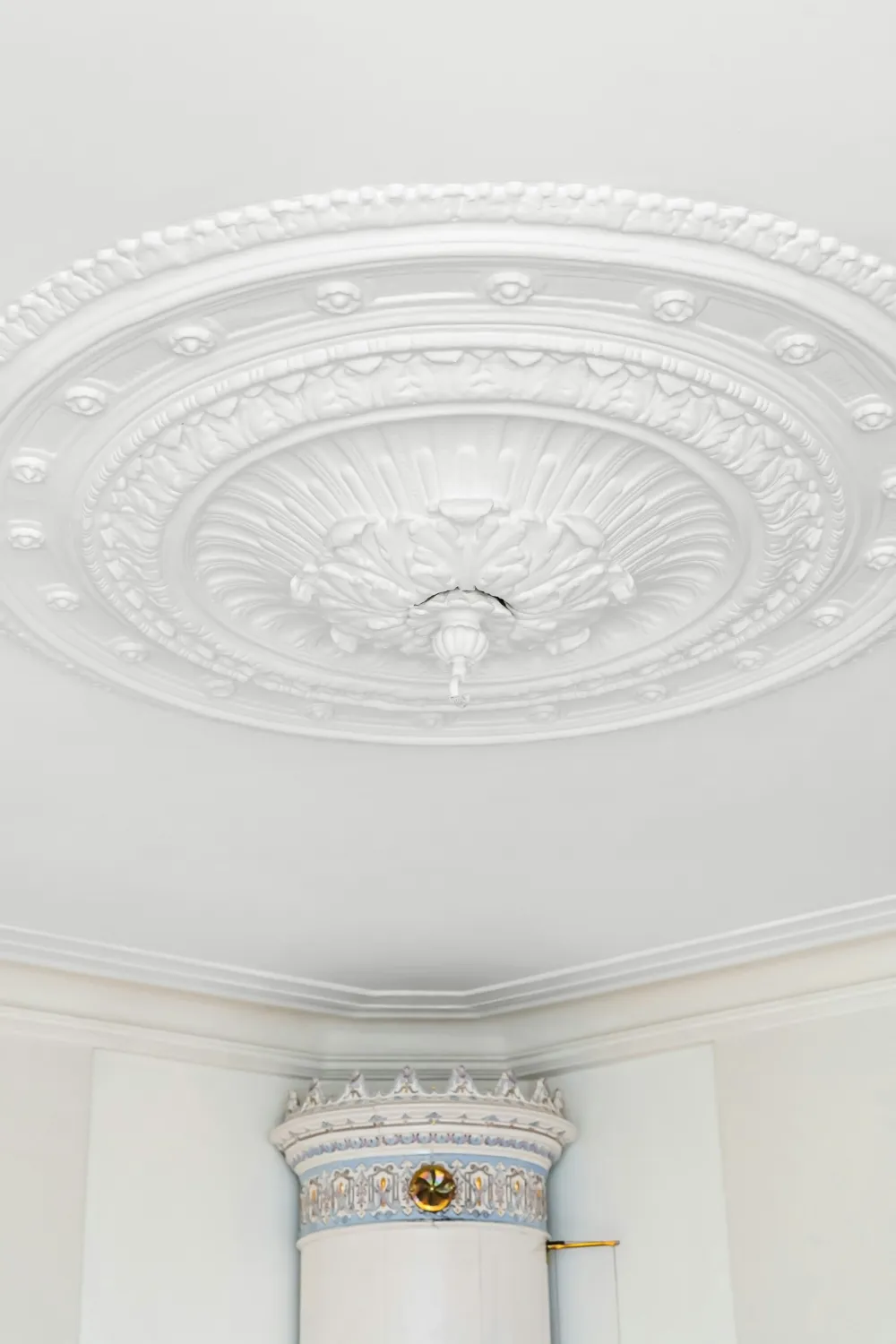
Ceiling painting
Stains, cracks, cornicing, tall ceilings
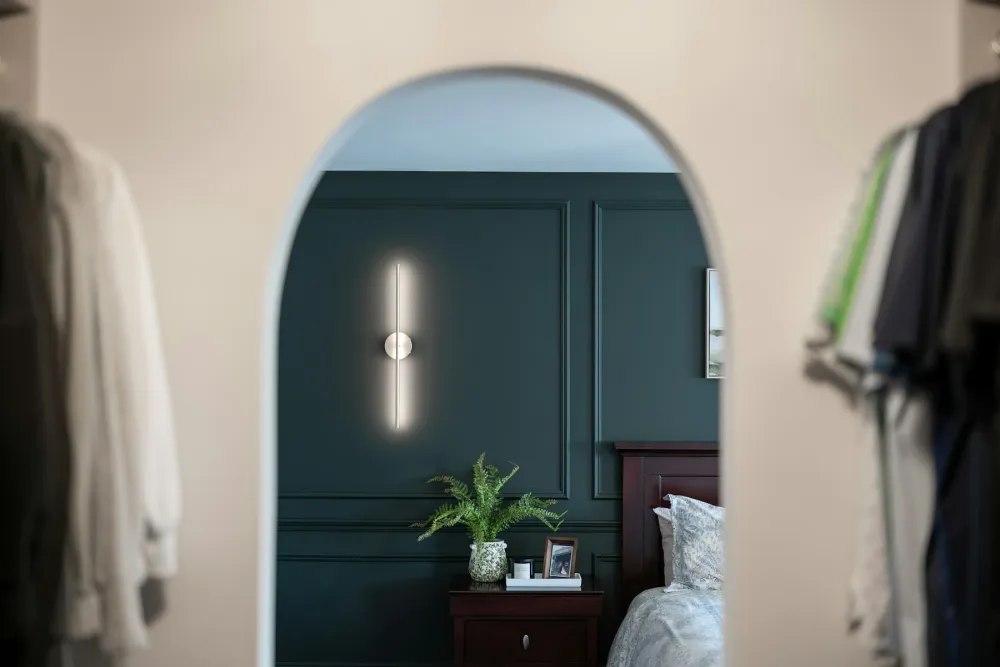
Room & wall painting
Single rooms, feature walls, colour changes
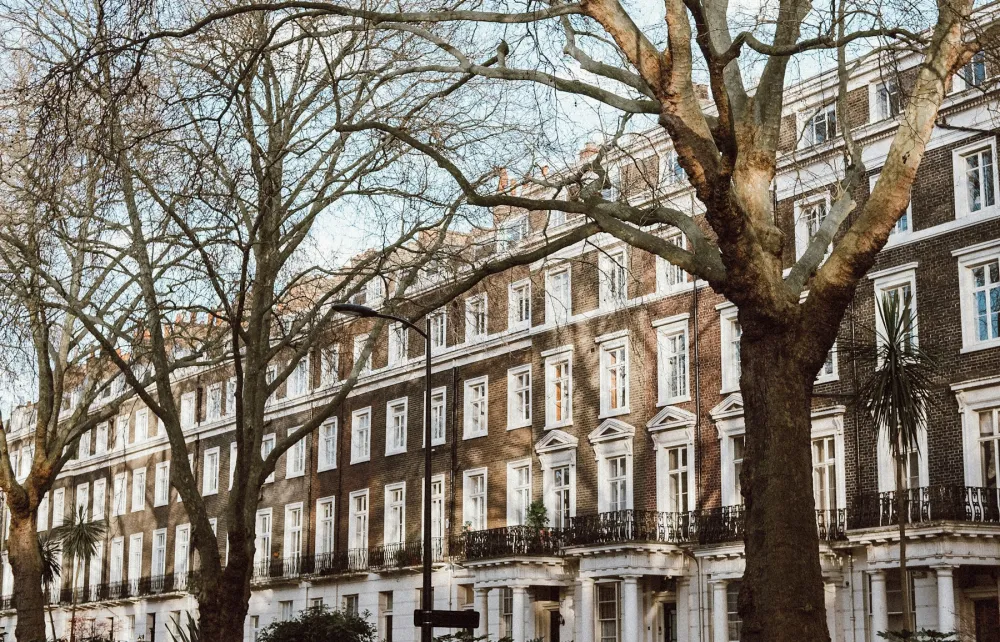
Landlords & agents
Voids, HMOs, portfolios
Local pages where this work features: Southall · Northolt · every part of the borough
An indicative price for your mould & stain treatment
Describe the work and see an indicative range straight away. A decorator then reviews it and confirms a fixed quotation.