Hall, stairs & landing
Hallway, stairs and landing painting
Painting the hall, stairs and landing, the busiest and tallest space in most Ealing homes. This page explains how stairwells are reached safely, which finishes stand up to daily wear and what staircase painting typically costs.
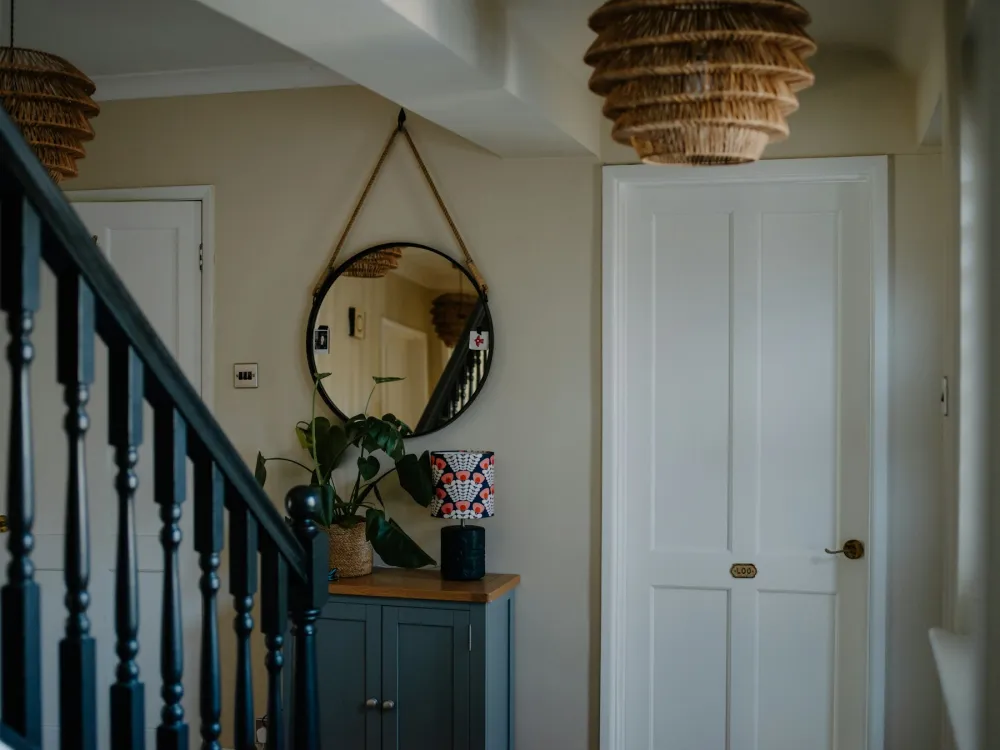
Why the hall and stairs are a job of their own
The hall, stairs and landing are usually one continuous space rising two or three storeys, and they take the most knocks from bags, buggies, bikes and shoes. In many period houses in Ealing, Acton and Hanwell, the stairwell wall is the tallest in the building, with a drop to the floor below that no stepladder can safely span.
It is also the one space everyone has to pass through. Planning how the household gets up and down during the work matters as much as the painting itself.
Reaching tall stairwells safely
A stairwell is painted from a staircase platform or a tower with adjustable legs that stands level on the treads, sometimes with boards bridging to the landing. This lets the decorator reach the full height of the wall, and the ceiling above the stairs, without leaning out from a ladder.
Victorian and Edwardian houses often have stairwells that turn at a half-landing and rise to a top-floor ceiling high above the lower flight. The access equipment is part of the quote, which is why photos of the stairwell taken from the hall and from the top landing are so useful.
Spindles, banisters and handrails
Staircase woodwork is the slowest part of the job. Each spindle has four faces, and turned spindles have curves that must be sanded and brushed by hand. Handrails need a hard finish because they are touched constantly, and newel posts and strings collect scuffs.
A varnished handrail can be kept natural and re-varnished while the spindles are painted, a traditional look in period hallways. If you would like old paint stripped back to bare timber instead, say so at the quote stage: older paint layers may contain lead, which changes how they must be removed. The woodwork painting page has more on finishes for doors and trim.
Finishes that stand up to wear
- Walls: a scrubbable matt emulsion that can be wiped down without polishing up.
- Below a dado rail: a tougher finish, or a darker colour, to hide scuffs where they happen most.
- Skirting and strings: satin or eggshell trim paint, which wipes clean and resists knocks.
- Handrail: a hard-wearing satin or gloss, or a clear varnish on natural timber.
Keeping the stairs usable
Stairs can be painted without cutting off the upstairs. Walls and ceilings come first, with the stairs covered by dust sheets and non-slip protection. The woodwork is then painted in stages, such as alternate treads or one side of the balustrade at a time, so there is always a dry route up and down.
Water-based trim paints are touch-dry within hours, which keeps disruption short. It helps to find somewhere else for coats, bikes and post while the hall is being worked on; our guide to getting ready for decorators lists what else to move.
What does hallway and staircase painting cost?
Doing the hall, stairs and landing in one go is the most efficient approach, because the access equipment only has to be set up once. As an example, the hall, stairs and landing of a two-storey house typically comes to £1,530–£2,610. A third storey, painted spindles, several panelled doors off the landing and a lot of crack repair all add to that.
Add your stairwell to the Instant Quote with a couple of photos to see an indicative range; a decorator reviews it and confirms a fixed quote.
What changes the price
- Number of storeys
- A third floor adds wall height, another flight and more access equipment.
- Stairwell height
- Taller walls need platforms that take time to set up and move.
- Spindles and balustrade
- Painting individual spindles by brush is slow compared with flat surfaces.
- Doors off the landing
- Each door and frame adds woodwork time.
- Wall condition
- Stairwells often have movement cracks that need proper filling first.
Every one of these is a question in the Instant Quote, so your range reflects your job. See typical figures in the price guide.
Questions people ask
Can we still use the stairs while you paint?
Yes. Treads and balustrade are painted in stages so there is always a dry way up and down, and the stairs are protected while the walls and ceilings are done.
How long does it take to paint a hall, stairs and landing?
In a two-storey house it is often two to four days, depending on the amount of woodwork and repair. Three-storey houses take longer.
Can you paint stair treads and risers?
Yes. Treads that are walked on need a floor-grade paint and time to harden before normal use, so they are usually done last.
Should the hall be painted before or after the rest of the house?
Usually last, because it takes wear from everything being carried in, out and around during other work.
What colour hides scuffs best in a hallway?
Mid-tones hide marks better than brilliant white or very dark colours. A scrubbable finish matters more than the colour itself.
Related
Often priced together
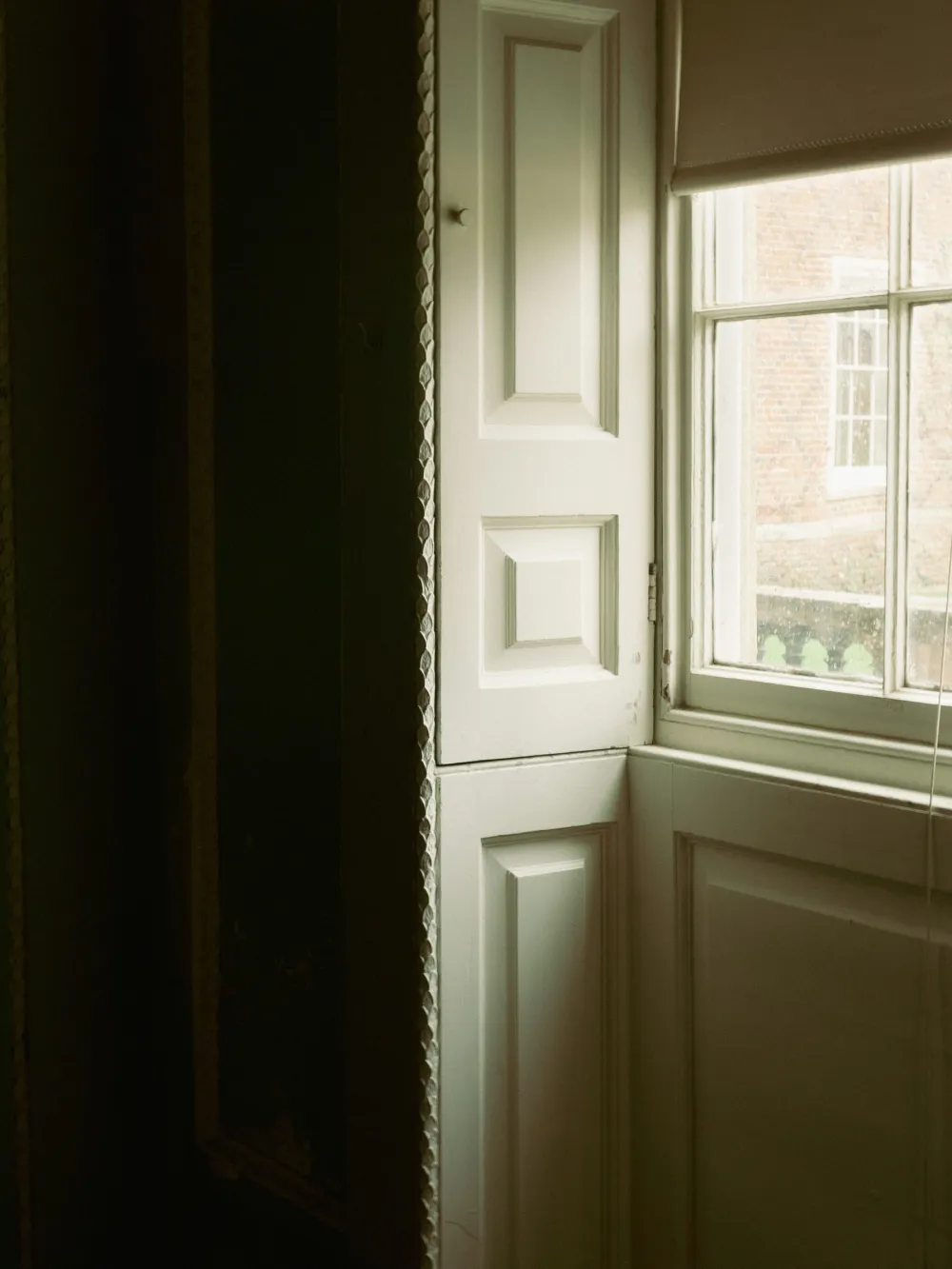
Woodwork & sash windows
Doors, skirting, sash and casement windows
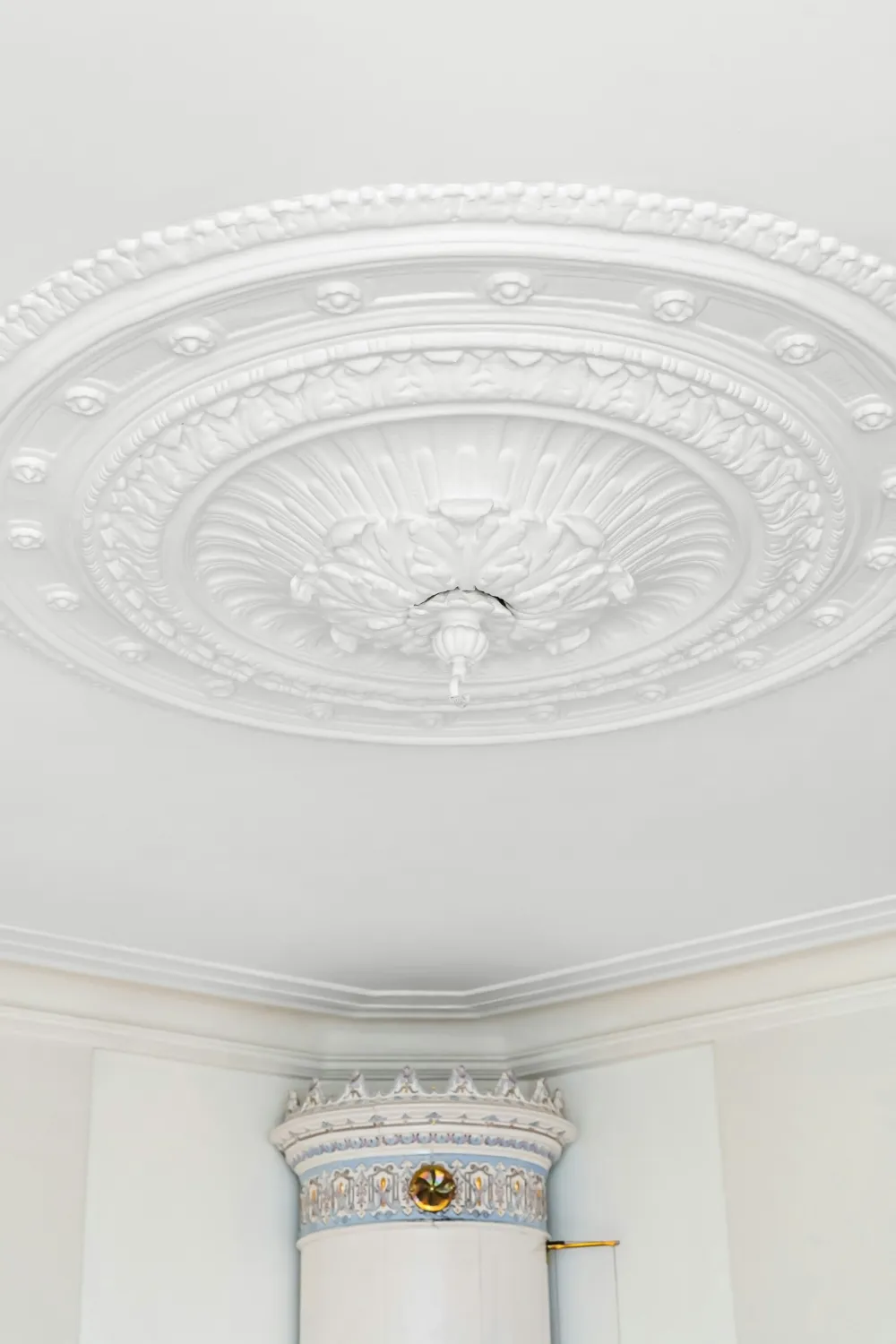
Ceiling painting
Stains, cracks, cornicing, tall ceilings
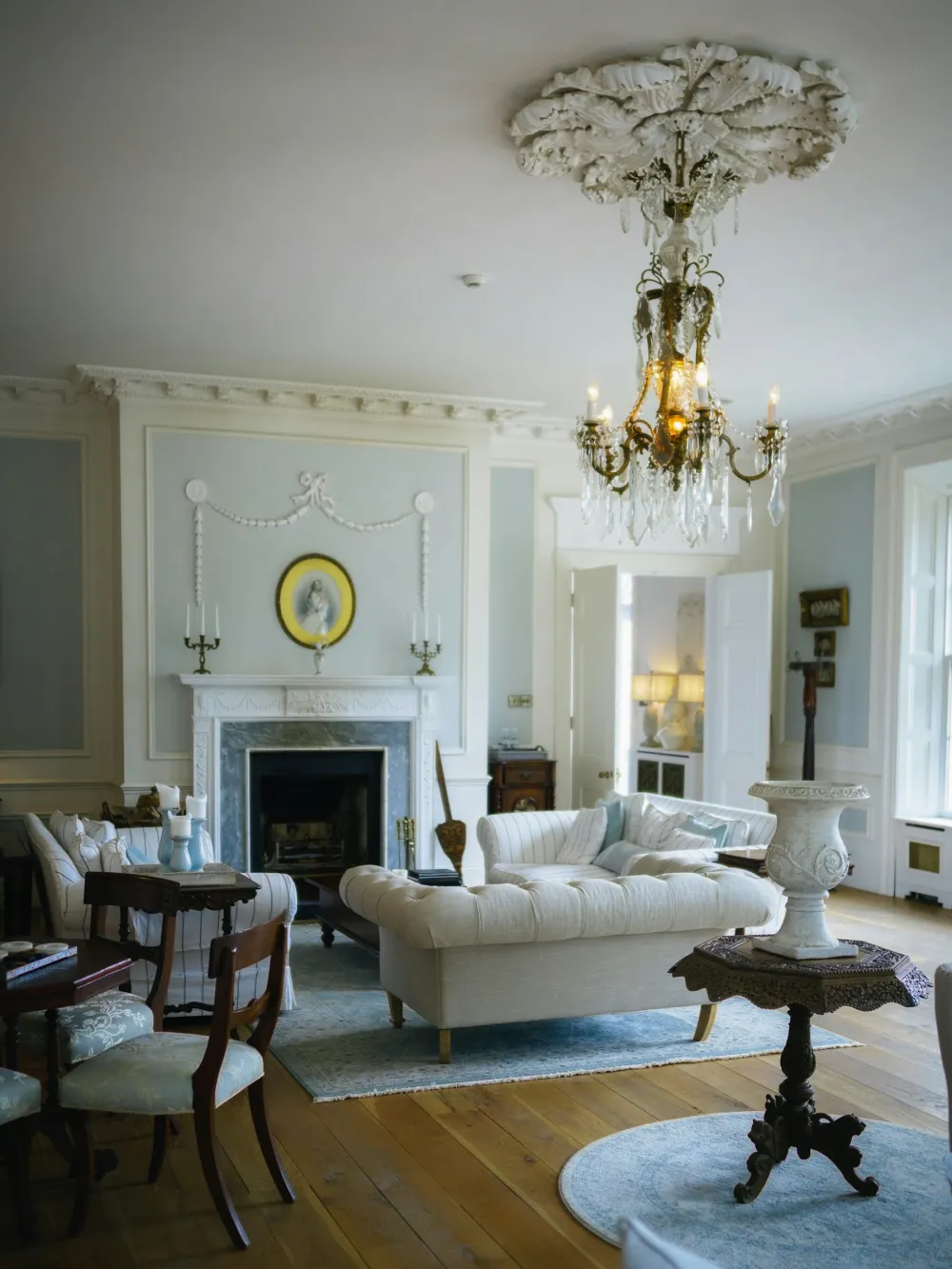
Full property repainting
Whole homes, moving in, after renovation
Local pages where this work features: Ealing · every part of the borough
An indicative price for your hallway & staircase
Describe the work and see an indicative range straight away. A decorator then reviews it and confirms a fixed quotation.