Ceiling painting
Ceiling painting
Ceiling painting for stained, cracked, textured and high period ceilings in Ealing homes. We cover preparation, how Artex is handled safely, and what affects the cost of painting a ceiling.
Why painting a ceiling is harder than it looks
A ceiling is the largest unbroken surface in a room, and it is lit from the side by the windows, so every roller mark, missed patch and filled crack shows. Painting a ceiling well means keeping a wet edge across the whole surface, using a flat-matt finish that does not reflect light, and cutting in cleanly where it meets the walls or cornice. Ceilings are painted before walls, so if the whole room is being done, room and wall painting explains how the rest is priced.
It is also physically slow work. The floor is sheeted fully, lights and smoke alarms are masked, and furniture is moved clear of where the decorator needs to stand.
Cracks, stains and sagging plaster
Fine cracks along plasterboard joints or across old lath-and-plaster ceilings are raked out, filled and sanded, and some joints are taped to reduce the chance of them opening again. Brown water marks and nicotine or smoke staining are sealed with a stain-block primer before any emulsion goes on; ordinary emulsion alone lets the stain bleed back through within days.
A ceiling that bows, sounds hollow or has loose plaster is a plastering problem, not a painting one, and it should be repaired by a plasterer before it is decorated. If the stains came from a leak, the mould and stain treatment page explains how to dry out and repaint after water damage.
Artex and textured ceilings
Textured coatings such as Artex were widely used on British ceilings from the 1960s onwards. Those applied before about 2000 can contain asbestos. Painting over a sound textured ceiling does not disturb it, but sanding, scraping or drilling it can release fibres, so it should be tested by an asbestos surveyor or accredited laboratory before any of that is done.
If the texture is in good condition, it can simply be painted, using a long-pile roller and rather more paint than a flat ceiling needs. If you want a smooth ceiling instead, the options are to have a plasterer skim over it, or to have it tested and, if necessary, removed by an asbestos specialist. The quote asks whether your ceiling is textured so the right approach is agreed before work starts.
High ceilings, cornicing and ceiling roses
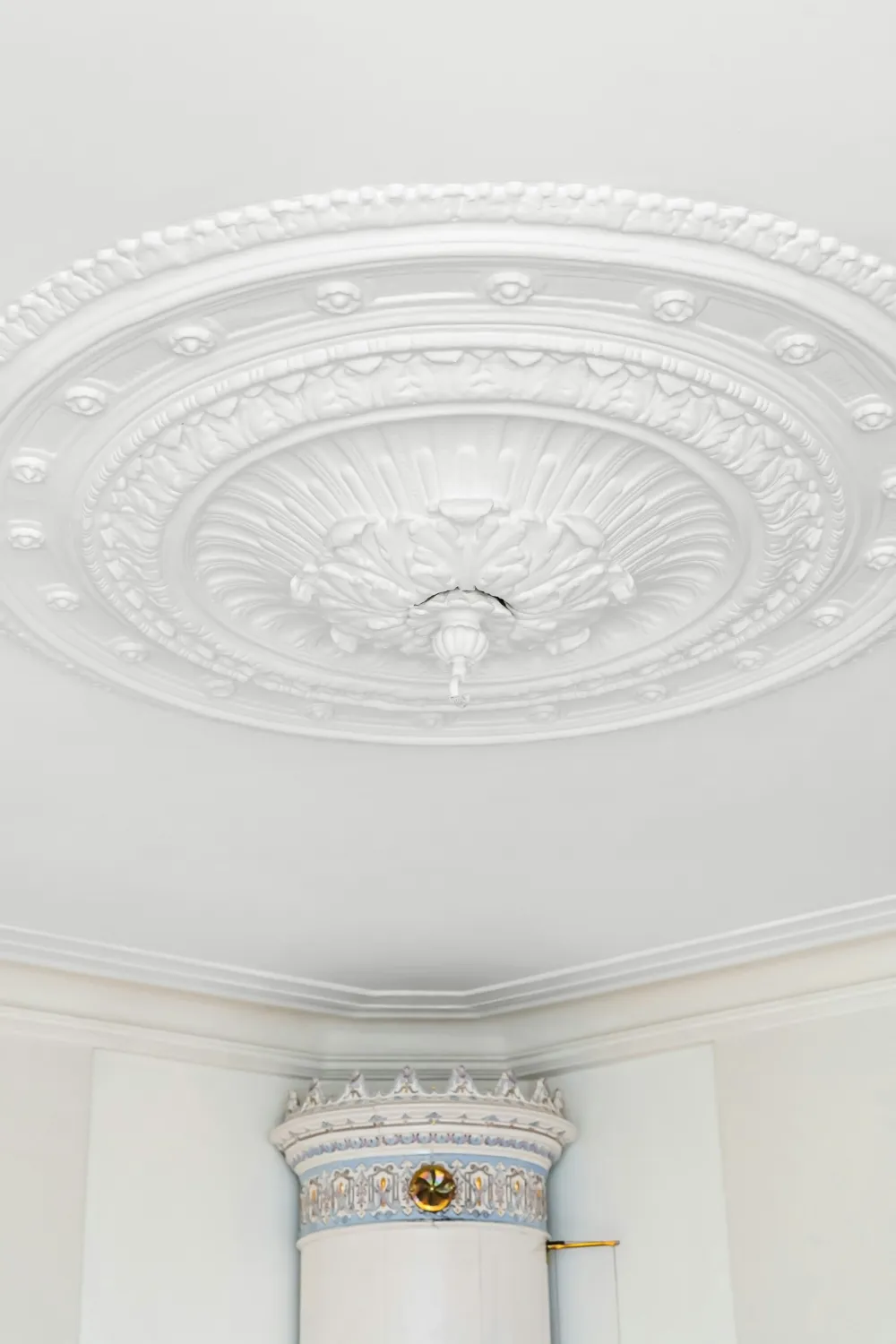
Many Victorian and Edwardian houses in Ealing have ground-floor ceilings of around 3 m or more, with moulded cornices and central ceiling roses. Rooms like these are painted from a mobile access tower or platform rather than stepladders, which is safer and gives a more even finish. Tall stairwell ceilings are covered on the hallway and staircase painting page.
Decorative plasterwork often carries decades of old coatings, sometimes including soft distemper, which new emulsion will not stick to. Where it is flaking, it is washed off or sealed before painting, and the detail is picked out with a brush so the mouldings are not lost under yet more paint.
How much does it cost to paint a ceiling?
As an example, a ceiling only, in a medium-sized room, typically comes to £450–£560. The figure rises with ceiling height, the amount of crack repair or stain blocking, textured surfaces and decorative cornicing. Painting a ceiling at the same time as the walls is more economical than doing it separately, because the sheeting and access are already in place.
The Instant Quote lets you add a ceiling on its own and upload a photo of any stains or cracks, which helps the decorator review the range before confirming a fixed price.
Which paint is best for ceilings?
A flat or ultra-flat matt emulsion is standard, because it hides small imperfections. In kitchens and bathrooms, a moisture-resistant paint copes better with steam. Brilliant white can feel stark in north-facing rooms; a softer off-white, or a colour a shade lighter than the walls, is often more comfortable to live with. The paint calculator works out how many litres a ceiling needs.
What changes the price
- Ceiling height
- Anything above standard height needs a tower or platform and slows every stage.
- Stains and cracks
- Stain blocking and crack repair add products, coats and drying time.
- Texture
- Artex and similar coatings take more paint and more careful rolling.
- Cornicing and roses
- Picking out plaster detail by brush is slow, precise work.
- Old distemper or flaking paint
- Loose coatings must be removed or sealed before new paint will hold.
Every one of these is a question in the Instant Quote, so your range reflects your job. See typical figures in the price guide.
Questions people ask
Can you paint over Artex?
Yes, if it is sound, because painting does not disturb it. It should not be sanded or scraped unless it has first been tested for asbestos, especially if it was applied before about 2000.
Why does a water stain keep coming back through the paint?
Water and smoke stains contain salts and tars that bleed through emulsion. They need a stain-block primer, and the leak must be fixed and the ceiling dry first.
How many coats does a ceiling need?
Usually two coats of emulsion. New plaster needs a mist coat first, and heavy staining needs a stain-block primer before the finish coats.
Should the ceiling be painted before the walls?
Yes. Ceilings go first so any spatter lands on walls that are still to be painted.
Can you fix the cracks in my ceiling?
Hairline and settlement cracks are filled and sanded as part of preparation. Large cracks, sagging or loose plaster need a plasterer first.
Related
Often priced together
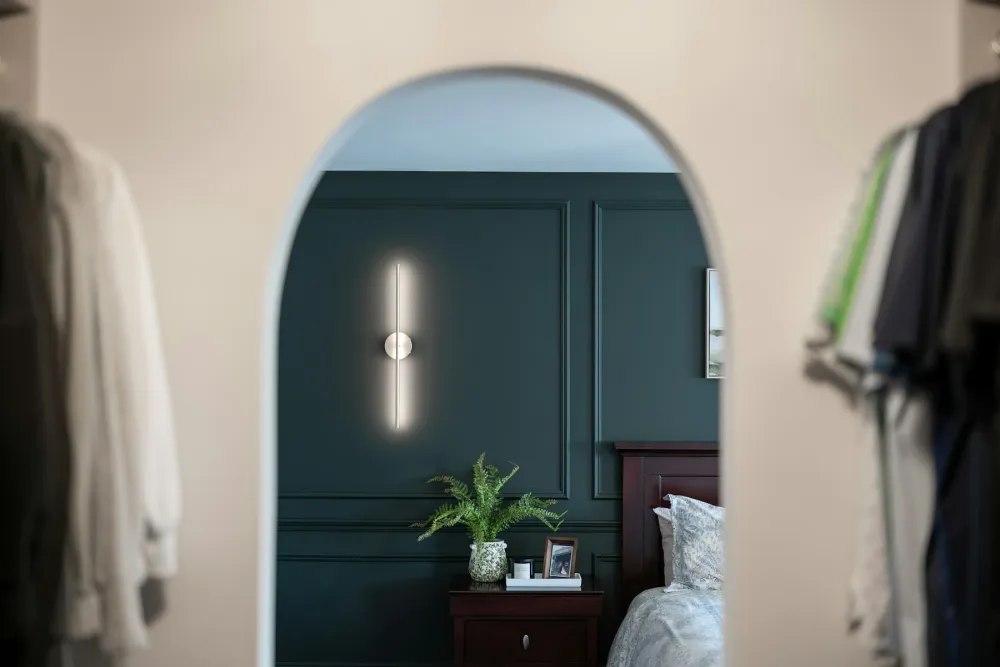
Room & wall painting
Single rooms, feature walls, colour changes
Mould & stain treatment
Mould, water marks, smoke and nicotine stains
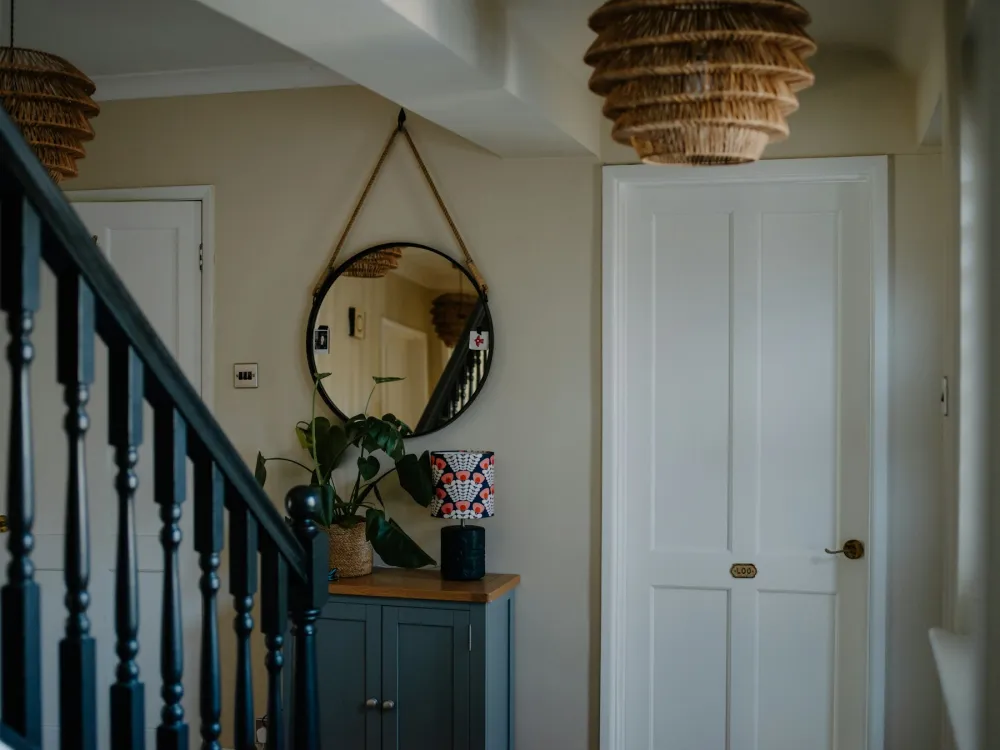
Hallway & staircase
Tall stairwells, spindles, hard-wearing finishes
Across the borough: Ealing · Acton · Hanwell · Southall · Greenford · Northolt · Perivale
An indicative price for your ceiling painting
Describe the work and see an indicative range straight away. A decorator then reviews it and confirms a fixed quotation.