Exterior painting
Exterior house painting
Exterior house painting for painted brick, render, pebbledash, stucco and outside woodwork. This page covers masonry paint, weather, access, conservation-area rules in Ealing and what shapes the price.
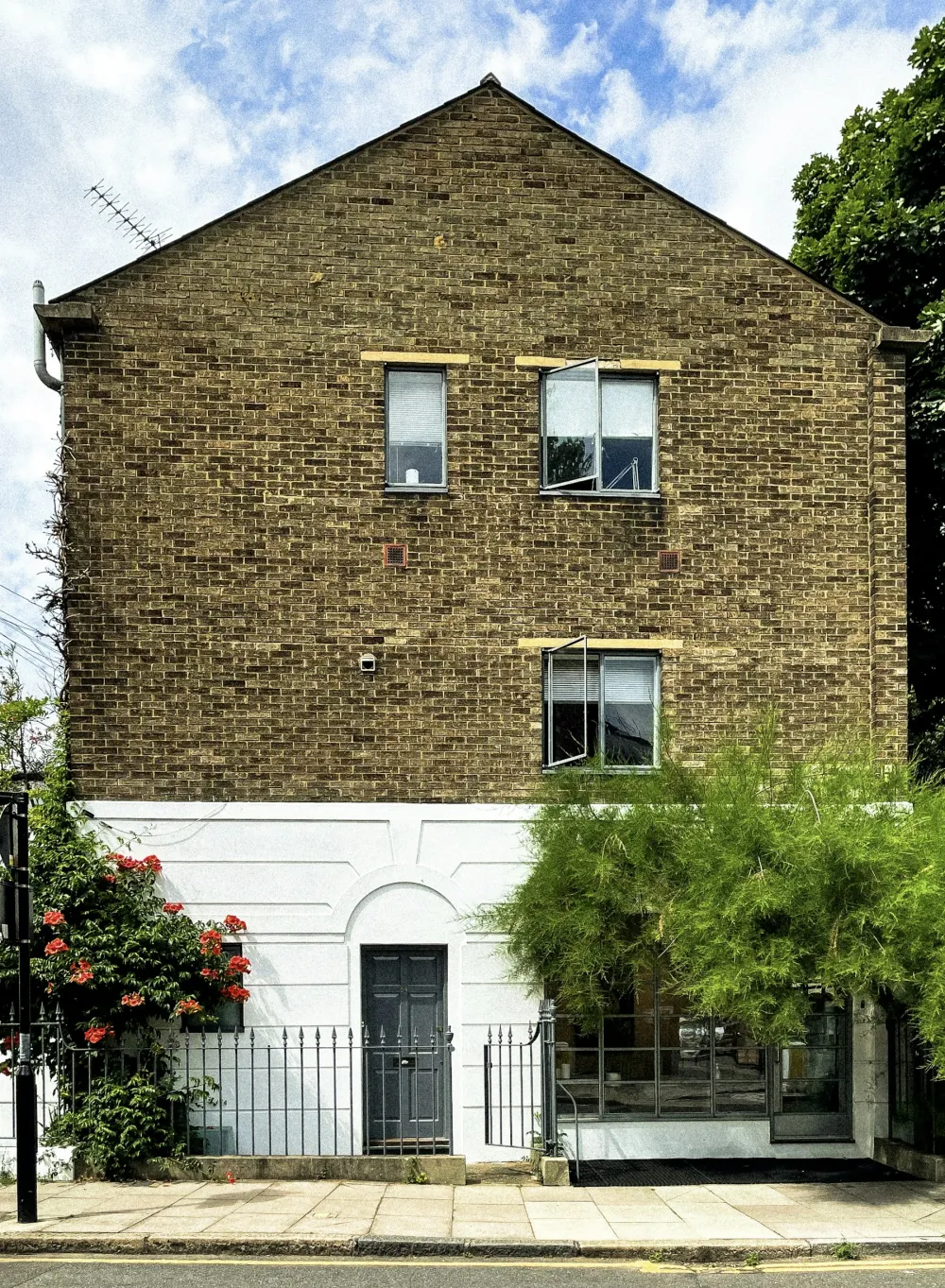
What exterior painting covers
An exterior repaint usually includes the painted walls of the house and its woodwork: window frames and sashes, the front door, soffits, fascias and bargeboards. Some jobs are just the front elevation, to smarten up the wall that faces the street; others take in the whole house. Front railings and gates need a different process, covered on the metal gate and railing painting page.
Masonry painting on render, pebbledash and stucco
Rendered, pebbledashed and stuccoed walls are painted with a breathable masonry paint, but preparation matters more than the paint. Walls are washed or brushed down, algae and moss are treated with a biocide, loose paint is scraped off, cracks are raked out and filled with an exterior filler, and chalky or powdery surfaces are sealed with a stabilising primer so the new coats bond.
Pebbledash, common on 1930s houses in Greenford, Northolt and Perivale, soaks up a lot of paint and has to be worked into every stone with a long-pile roller or brush. Smooth stucco, found on many Victorian and Edwardian fronts, shows every crack, so filling must be careful. Render that sounds hollow when tapped has come away from the wall and needs a renderer first, because paint will not hold it on.
Should bare brick be painted?
Think carefully before painting brick that has never been painted. Much older London brickwork is soft and was built with lime mortar to let moisture out; the wrong paint can trap it inside, causing damp patches indoors and flaking brick faces outside. Painting brick is also hard to reverse, as stripping paint from brickwork is slow, costly and can damage the surface.
Where brickwork has already been painted, repainting with a breathable masonry paint is a routine job. Where it is bare, cleaning or repointing is often the better way to refresh it.
Conservation areas and Article 4 directions
Ealing has a large number of conservation areas, and some streets are covered by Article 4 directions that remove normal permitted development rights. In those places, painting previously unpainted brick, changing the colour of a front elevation or altering front windows and doors can need planning permission. Before changing a colour or painting brick, check with Ealing Council's planning team. Repainting in the existing colour is generally less of an issue, but it is still worth confirming. Our exterior painting guide has more on choosing colours for period fronts.
Exterior woodwork, soffits and fascias
Timber windows, doors and bargeboards take the worst of the weather. Loose and flaking paint is scraped and sanded back, soft spots are probed for rot, small areas are cut out and rebuilt with a two-part resin filler, bare wood is knotted and primed, and gaps are sealed with a flexible exterior sealant. A microporous paint system lets the timber breathe and moves with it, which reduces cracking and peeling.
Sash windows are painted so the sashes still slide, with the paint lapped slightly onto the glass to seal the putty. Plastic fascias and soffits can be painted too, with a primer made for uPVC, although that is about appearance rather than protection.
Weather, season and access
Most exterior paints need dry surfaces and temperatures above roughly 5 to 10°C while they dry, depending on the product. Morning dew, rain within a few hours of painting and cold nights can all spoil a coat, so exterior work is usually planned between spring and early autumn, and dates can move if the forecast turns. Strong sun is a problem too, as paint dries too quickly and shows lap marks.
Access depends on the house. A ground-floor bay can often be done from ladders; a two-storey elevation usually needs a mobile tower or scaffolding. As an example, a two-storey front elevation, excluding scaffold, typically comes to £1,890–£3,580. Scaffolding is priced separately, and if it stands on the pavement it needs a licence from the council. The Instant Quote lets you add each elevation with photos so the access can be judged before a fixed quote is given.
What changes the price
- Height and access
- Towers or scaffolding add cost and set-up time, and a pavement licence may be needed.
- Wall surface
- Pebbledash and rough render take much more paint and effort than smooth stucco.
- Condition
- Flaking paint, cracks and algae all add preparation.
- Amount of woodwork
- Sash windows, bargeboards and bays are detailed and slow.
- Timber repairs
- Rot has to be cut out and resin-filled before painting.
- Number of elevations
- Back and side walls are often harder to reach than the front.
Every one of these is a question in the Instant Quote, so your range reflects your job. See typical figures in the price guide.
Questions people ask
When is the best time of year for exterior painting?
Late spring to early autumn, when temperatures stay above the paint's minimum overnight and surfaces dry out properly. A mild, dry spell outside those months can also work.
How often should a house exterior be repainted?
Well-prepared masonry paint often lasts many years, while exterior woodwork usually needs attention sooner. Exposure to sun and driving rain makes a big difference.
Do I need permission to paint the outside of my house?
Usually not to repaint in the same colour. In a conservation area or under an Article 4 direction, changing colours or painting bare brick can need permission, so check with the council first.
Can uPVC windows be painted?
Yes, with a primer made for plastic and a suitable top coat. Check whether painting affects any manufacturer warranty on the windows first.
Is scaffolding included in the price?
The quote states clearly whether scaffolding is included. Many single-storey and some two-storey jobs can be done from towers or ladders instead.
How much does it cost to paint the exterior of a house?
It depends on the size of the house, how much is masonry and how much is woodwork, the condition of the surfaces and the access needed. As an example, the outside of a typical terraced house front typically comes to £1,890–£3,580, excluding any scaffolding. The Instant Quote prices your own elevations from your answers and photos.
Can you paint over old exterior paint?
Yes, if it is still sound. Flaking, chalky or blistered paint is scraped and sanded back, bare patches are primed and any cracks are filled first, otherwise the new coat fails with the old one underneath it.
Related
Often priced together
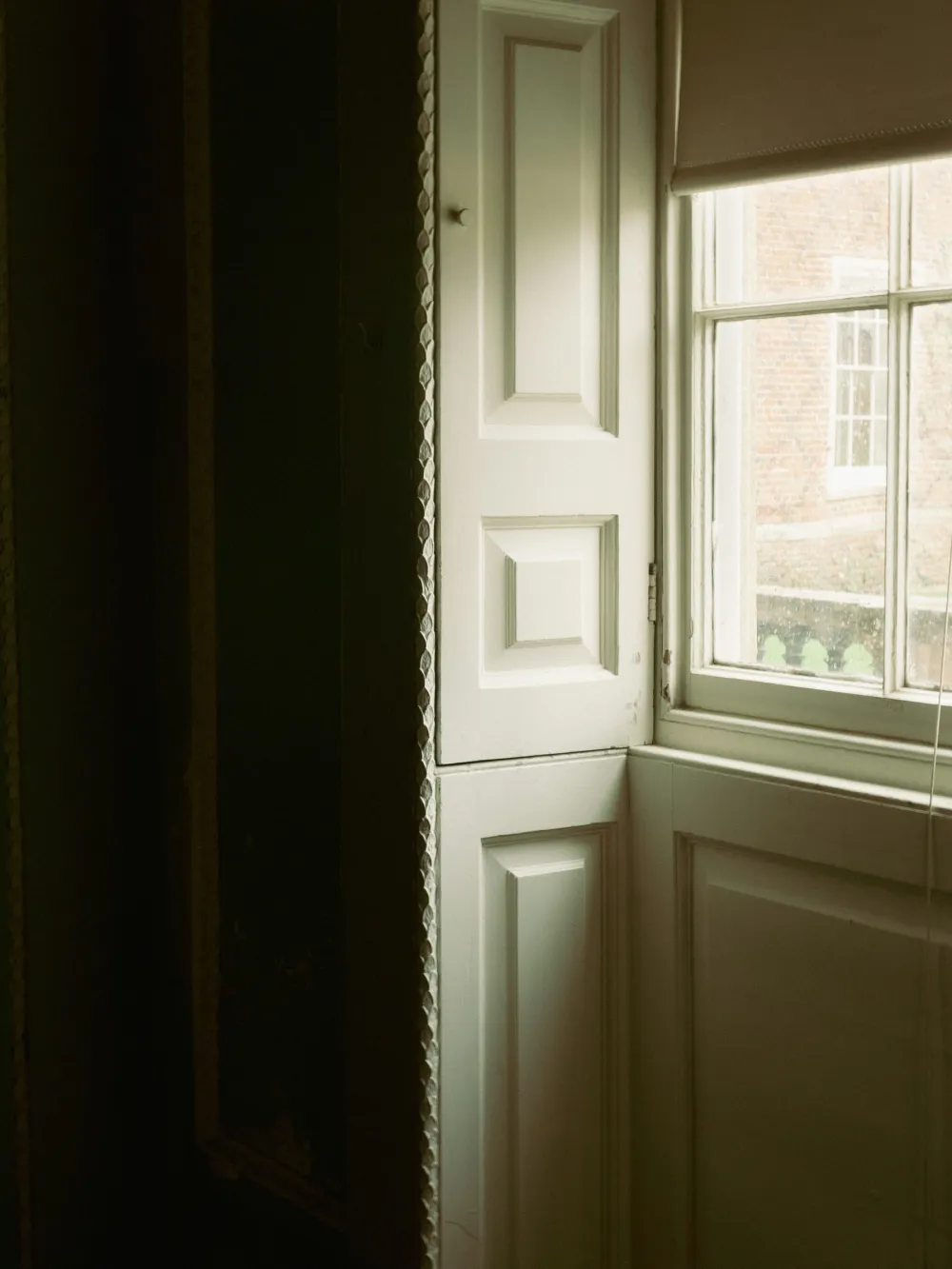
Woodwork & sash windows
Doors, skirting, sash and casement windows
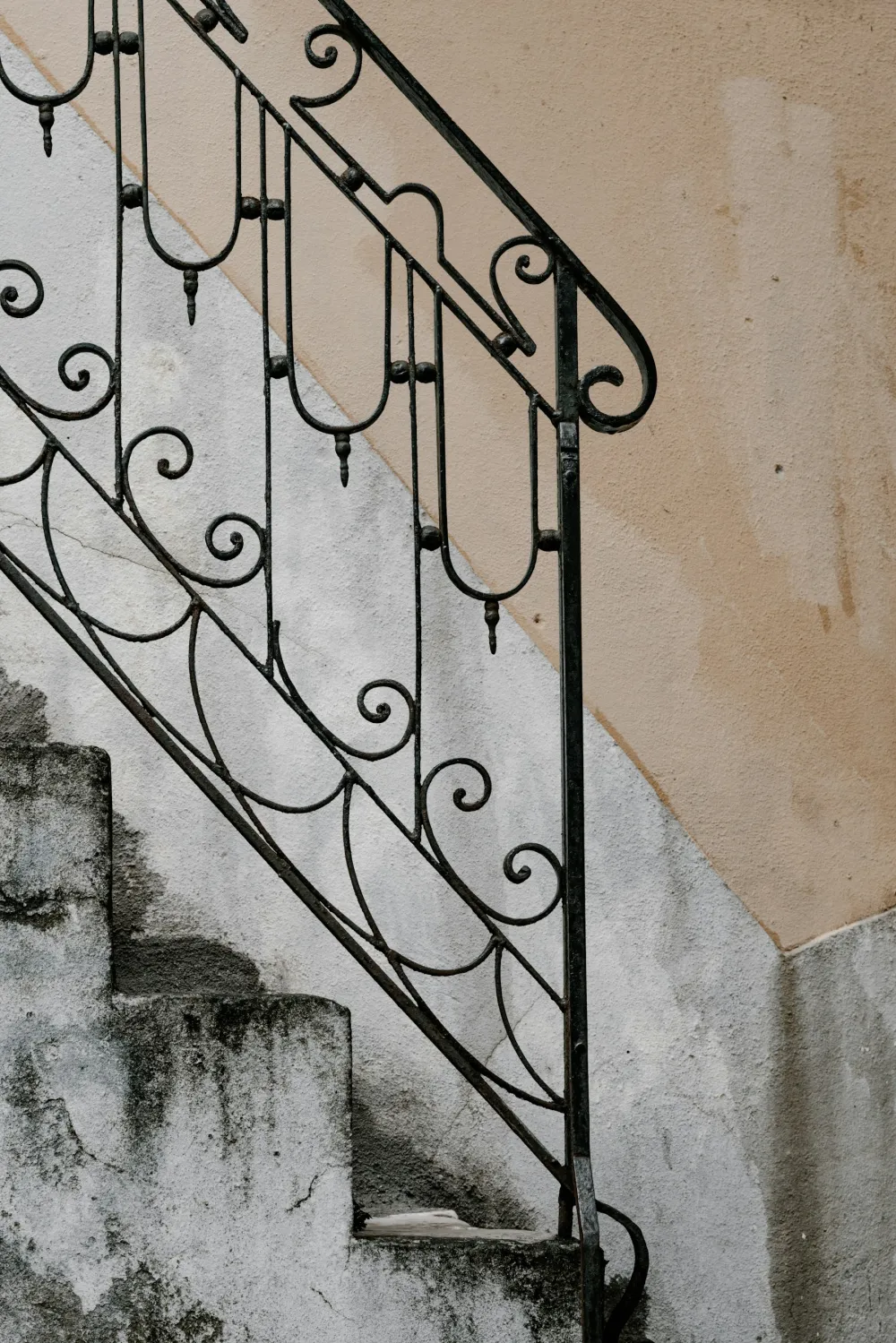
Gates & railings
Rust treatment, cast-iron railings, gates
Fence painting
Garden fences, paint or stain
Local pages where this work features: Ealing · Hanwell · Southall · Greenford · Perivale · every part of the borough
An indicative price for your exterior painting
Describe the work and see an indicative range straight away. A decorator then reviews it and confirms a fixed quotation.