Wall painting
Room and wall painting
Painting a single room, one feature wall or a change of colour in your Ealing home, done properly from filling to final coat. This page covers what room painting involves, what it typically costs and why preparation matters more than the paint.
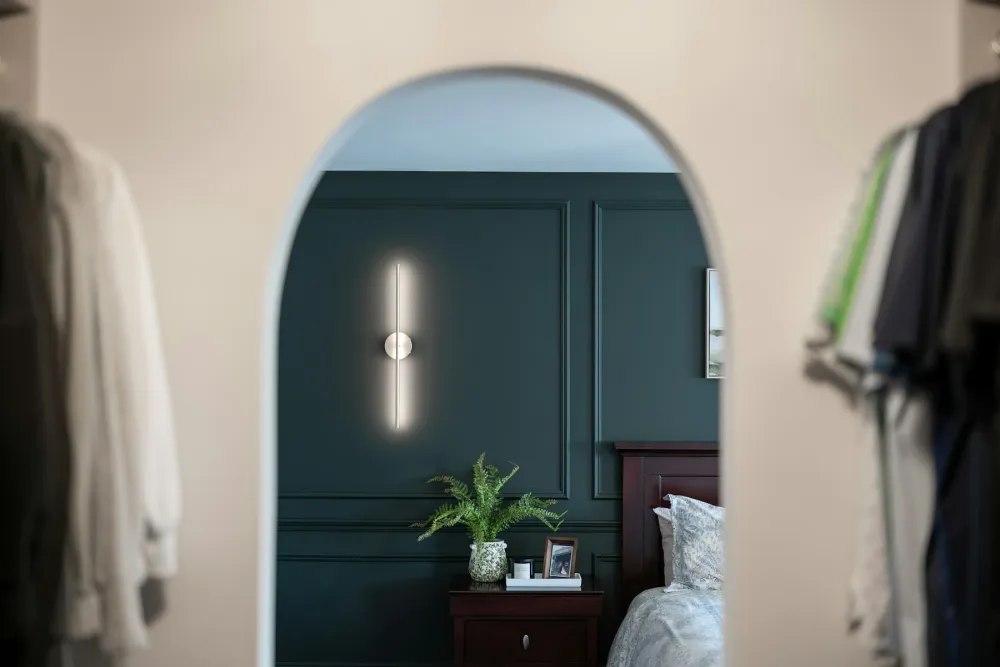
Painting one room or one wall
A lot of decorating is small in scope: a bedroom before a new arrival, a living room that has faded, or one feature wall behind a bed or sofa. A room can be quoted on its own, and walls can be done without the ceiling or woodwork if those are still in good order (see ceiling painting and woodwork painting for when they are not).
A feature wall is quick but not trivial. The corners where the new colour meets the neighbouring walls and ceiling need clean, straight cut-in lines, and deep colours often need a third coat to look even under a ceiling light.
How are walls prepared?
- Cracks are raked out, filled and sanded flush. Cracks that keep returning at wall and ceiling joints can be filled with a flexible filler or taped.
- Holes from screws and picture hooks are filled and sanded.
- Grease and handprints, especially around switches and in kitchens, are washed off so the paint adheres.
- Filled patches are spot-primed so they do not show as flat or shiny areas.
- Flaking or poorly bonded old paint is scraped back and the edges feathered in.
On new plaster the first coat is a mist coat of thinned matt emulsion. Skipping it is one of the most common reasons fresh paint peels.
Painting new plaster: the mist coat
Fresh plaster is thirsty. If full-strength emulsion goes straight onto it, the plaster pulls the water out of the paint before it can bond, and the finish can flake or peel in sheets months later. A mist coat, a matt emulsion thinned with water, soaks in, seals the surface and gives the finish coats something to grip.
Plaster also has to be dry first. A freshly skimmed wall usually needs a week or more to dry out, and a full float and set takes longer, particularly in winter. Dark patches mean it is still damp. Once it is uniformly pale, it gets the mist coat, then two full coats. The paint calculator allows for the extra coat when you select new plaster, and the Instant Quote asks whether any walls are newly plastered so the preparation is priced in.
Changing colour: dark to light, light to dark
Going from a dark wall to a pale one takes more work than people expect. Two coats of a light colour rarely hide a deep red, navy or charcoal evenly, so either a tinted basecoat or a third coat is needed. Going the other way, a deep colour over a pale wall also benefits from an extra coat to reach its full depth without patchiness.
If you are still deciding, paint large sample cards and move them around the room in morning and evening light. Many Victorian terraces in Ealing have long rooms with a window at one end only, where a colour can look noticeably darker at the back. Our guide to choosing paint colours explains how aspect changes a colour.
How much does it cost to paint a room?
The cost to paint a room depends on its size, the ceiling height, how much preparation the walls need and whether the ceiling and woodwork are included. As examples, a box room, walls and ceiling, typically comes to £450–£560, and a double bedroom with walls, ceiling, woodwork, one door and a window typically comes to £760–£1,120.
For your own room, the Instant Quote asks for the room type, size and condition and gives an indicative range, which a decorator then turns into a fixed price. If you are buying paint yourself, the paint calculator estimates how many litres you need.
How long does it take to paint a room?
A straightforward bedroom in good condition, walls only, can often be finished in a day. Add the ceiling, woodwork and some crack repair and it becomes two to three days, largely because filler, primer and each coat need time to dry before the next step. Water-based emulsions are usually ready to recoat in two to four hours in a warm, ventilated room; cold, damp rooms take longer.
Which finish should walls have?
Flat matt hides uneven plaster well and suits period rooms, but it marks more easily. A durable or scrubbable matt looks almost the same and wipes clean, which is why it is the usual choice for hallways, kitchens and children's rooms.
Soft sheen and silk finishes are more wipeable still, but they show every bump in the wall. They are best kept to bathrooms and to walls with very flat plaster.
What changes the price
- Room size
- Wall area sets the paint quantity and most of the labour.
- Wall condition
- Cracks, old repairs and flaking paint add filling, sanding and priming time.
- Colour change
- Dark-to-light or light-to-dark changes often need an extra coat.
- Ceiling height
- Tall walls in period rooms need a platform and take longer to cut in.
- What else is included
- Adding the ceiling, skirting, door and window turns a walls-only job into a full room.
Every one of these is a question in the Instant Quote, so your range reflects your job. See typical figures in the price guide.
Questions people ask
Can you paint just one wall?
Yes. A single feature wall is a common job. There is a minimum charge for any visit, so it is often worth adding another small task at the same time.
Do walls need a primer before painting?
Not usually on sound painted walls. Primer is needed on bare plaster, where it takes the form of a mist coat, on filled repairs, and over stains that could bleed through.
Why does my newly painted wall look patchy?
Usually because the wall absorbs unevenly, around filler, on new plaster or where a colour change needed another coat. Priming repairs and applying a full extra coat solves it.
Can you paint over silk or vinyl emulsion?
Yes, after washing and a light sand to key the surface, so the new paint grips the smoother finish.
Will you move my furniture?
Yes. Furniture is moved to the middle of the room and covered. Please clear pictures, ornaments and small items first.
Related
Often priced together
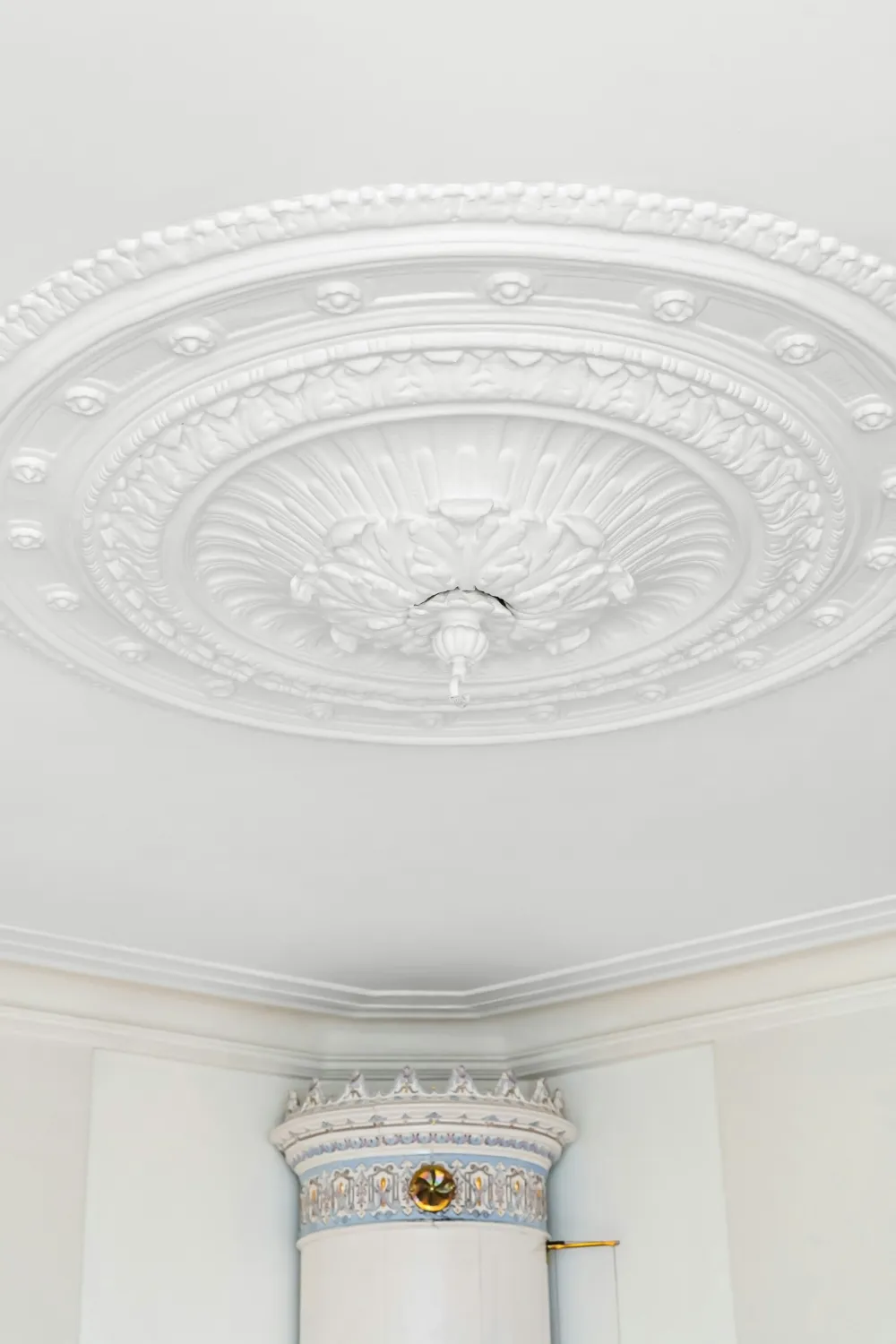
Ceiling painting
Stains, cracks, cornicing, tall ceilings
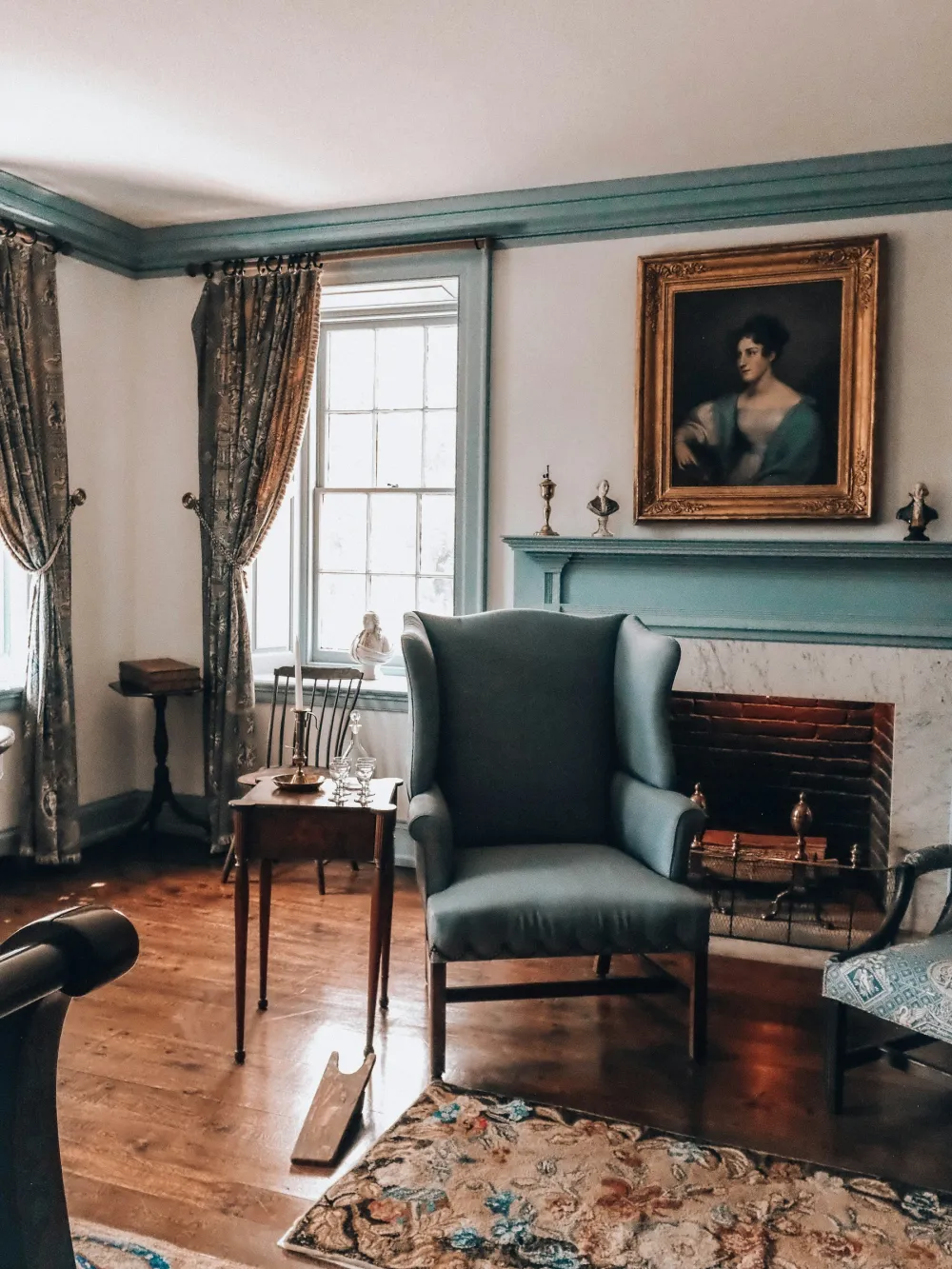
Interior painting
Houses and flats, room by room or throughout
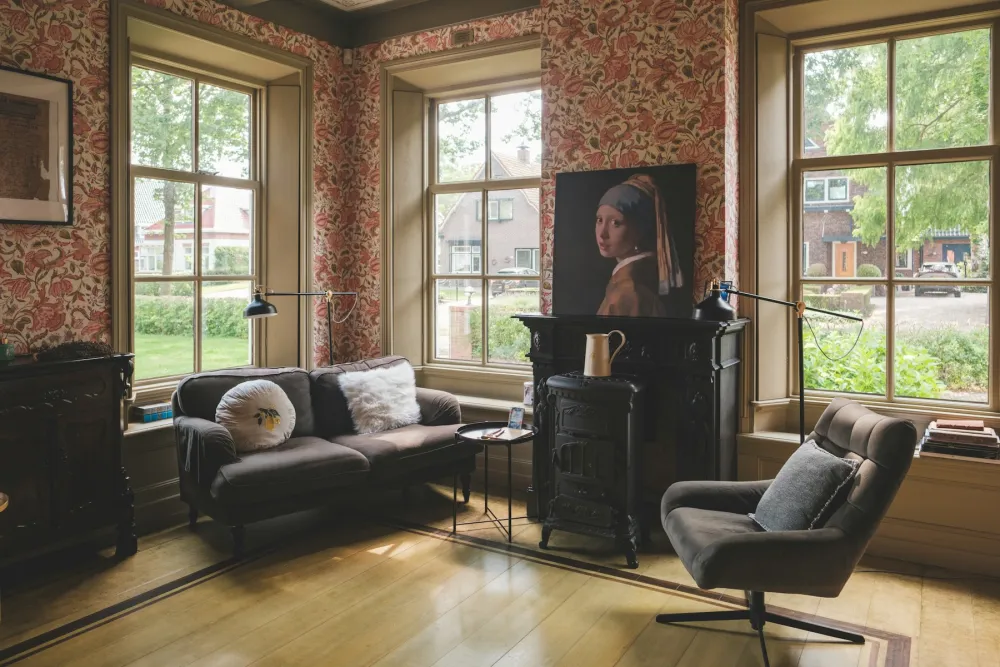
Decorating & wallpapering
Wallpaper removal and hanging, lining paper
Across the borough: Ealing · Acton · Hanwell · Southall · Greenford · Northolt · Perivale
An indicative price for your room & wall painting
Describe the work and see an indicative range straight away. A decorator then reviews it and confirms a fixed quotation.