Communal areas
Communal area and apartment block painting
Painting communal areas in blocks of flats and converted houses, for managing agents, residents' management companies and freeholders. We cover working around residents, fire doors, and the written specification that major works need.
What communal area painting includes
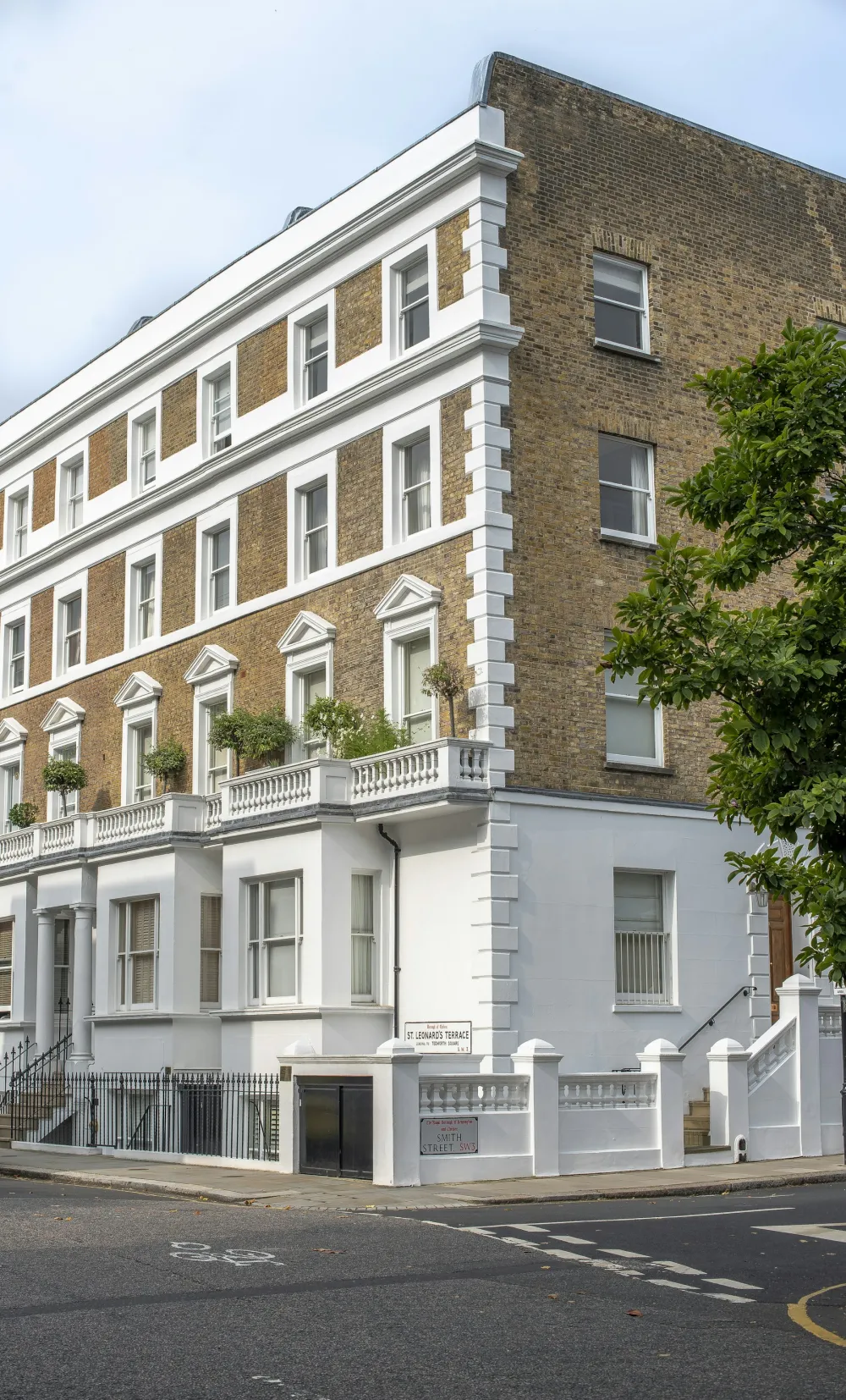
Communal areas are the parts of a building shared by every resident: the entrance hall, stairwells, landings, corridors, handrails and balustrades, flat entrance doors and frames where they are the freeholder's responsibility, meter cupboards, and bin and bike stores. In a purpose-built block they take heavy daily wear; in a converted Victorian house they are often a narrow hall and staircase shared by two or three flats. Work inside individual flats is covered on the interior painting page.
Entrance halls and first impressions
The entrance hall is what residents, visitors and prospective buyers see first. It is also where post, deliveries, bikes and buggies come and go, so it takes the most knocks. A scrubbable wall finish, a tougher lower wall below a dado or rail, and robust satin or gloss on doors and handrails keep it presentable for longer.
Entrances are best painted at the start or end of the day so the busiest route is not blocked for long. Wet-paint signs, protected floor runners and a clear route past the work are set out before anything starts.
Working with residents in occupation
Residents keep using the building throughout, so planning matters. A notice before the start, giving the dates, the areas affected and how long paint takes to dry, prevents most problems. Low-odour water-based paints are used where possible, and handrails are painted in sections so there is always something to hold on the stairs.
In busy blocks, out-of-hours or weekend working can be discussed for the entrance or lift lobby, balanced against noise and residents' quiet enjoyment of their homes.
Fire doors and fire-rated finishes
Flat entrance doors and doors onto stairwells in blocks are usually fire doors, and careless painting can compromise them. Intumescent strips and smoke seals must never be painted over, closers and hinges must still work, and heavy paint build-up can stop a door closing fully into its frame. Escape routes may also need finishes with a particular fire performance, as set out in the building's fire risk assessment.
The condition of fire doors and the choice of fire-rated coatings need assessment by a competent fire door inspector or fire risk assessor. The painting specification should follow their recommendations, and any defective doors should be repaired before they are repainted.
Specifications and section 20 consultations
In leasehold blocks, major works that cost any leaseholder more than a set amount may require a section 20 consultation before they go ahead. The managing agent or freeholder runs that process. What helps them is a clear written specification: the areas included, the preparation for each surface, the paint types and number of coats, access arrangements and the programme. Every contractor then prices the same scope, and leaseholders can see exactly what they are paying for.
We can price against your specification, or set out a scope for you to adapt. Photos and floor plans shared through the Instant Quote give a starting point, though a site visit is usually needed before a fixed quote for communal work.
Access, parking and building rules
Mansion blocks and newer developments around Ealing Broadway, Haven Green and West Ealing often sit in controlled parking zones with little room for a van, so loading and permits are agreed up front. Tall stairwells need platforms that suit the stair layout, and lifts may need protecting or booking for materials. Keys, door codes and bin store access are arranged with the agent or caretaker.
If your building or managing agent requires risk assessments and method statements, say so in your enquiry; the decorator confirms what paperwork will be supplied with the quote, as on commercial painting jobs.
What changes the price
- Size of the building
- The number of floors, landings and doors drives the time needed.
- Stairwell access
- Tall, open stairwells need platforms that suit the stair layout.
- Working hours
- Out-of-hours or phased working adds time compared with a clear site.
- Fire doors
- Careful masking around seals and closers adds to the programme.
- Surface condition
- Heavy scuffing, damaged plaster and thick old gloss need more preparation.
- Specification
- High-durability or fire-rated products cost more than standard paint.
Every one of these is a question in the Instant Quote, so your range reflects your job. See typical figures in the price guide.
Questions people ask
Do residents need to move out during communal painting?
No. The work is phased so entrances and stairs stay usable, with notices, signage and protected routes throughout.
Can fire doors be painted?
They can be repainted, but intumescent strips and seals must not be painted and closers must keep working. Any defects should be assessed by a fire door inspector first.
Does communal redecoration need a section 20 consultation?
It can, if the cost to any leaseholder is above the statutory threshold. The managing agent handles the consultation, and a clear specification helps it run smoothly.
Who pays for communal redecoration?
Usually the leaseholders through the service charge, as set out in their leases. The managing agent or freeholder can confirm how it is funded.
Can the work be done in the evening or at weekends?
Out-of-hours working can be arranged for busy areas where the building allows it. Mention it when requesting the quote.
Related
Often priced together
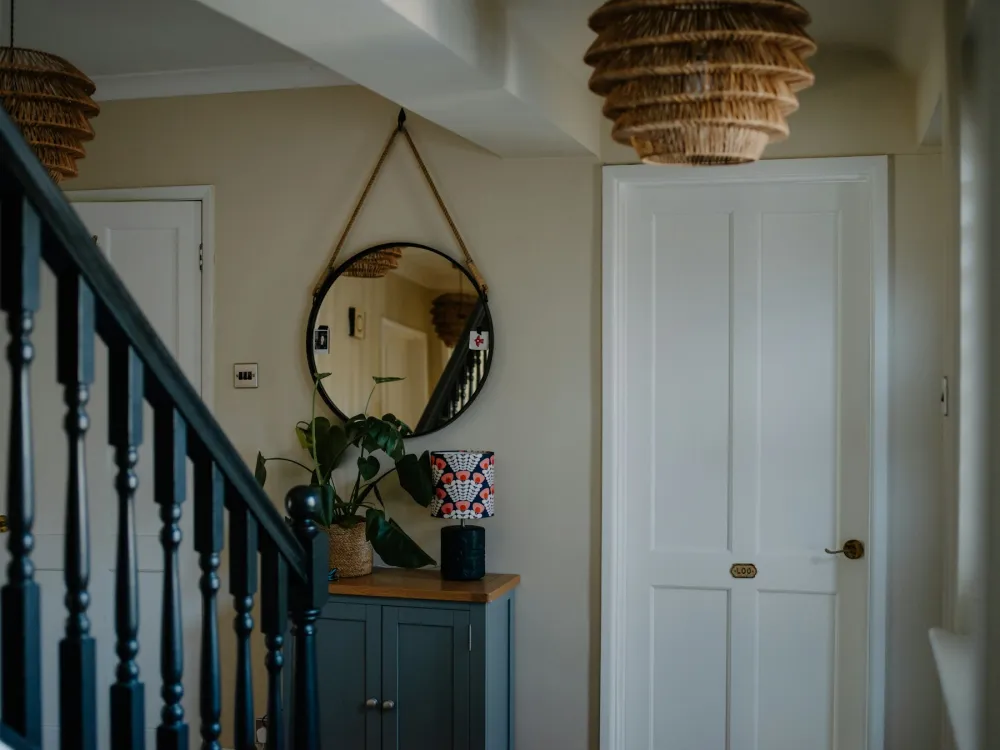
Hallway & staircase
Tall stairwells, spindles, hard-wearing finishes
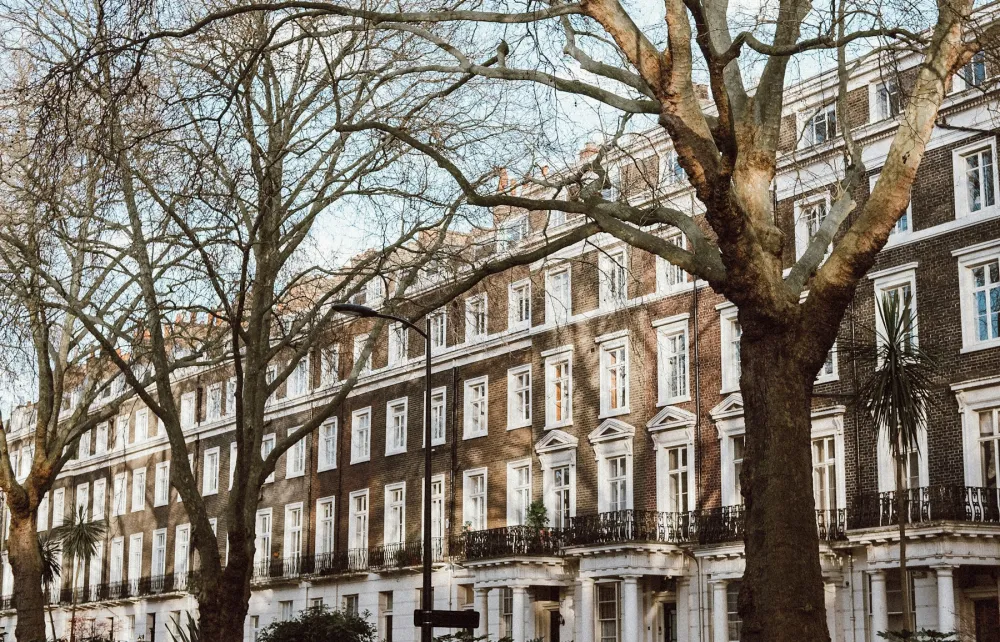
Landlords & agents
Voids, HMOs, portfolios

Commercial painting
Shops, restaurants, clinics, out of hours
Local pages where this work features: Acton · every part of the borough
An indicative price for your communal areas & blocks
Describe the work and see an indicative range straight away. A decorator then reviews it and confirms a fixed quotation.