Decorating & wallpaper
Interior decorating and wallpapering
Interior decorating that includes wallpaper removal, lining paper and wallpaper hanging alongside painting, for homes across Ealing. This page explains how old paper comes off, how new paper goes up and what affects the price.
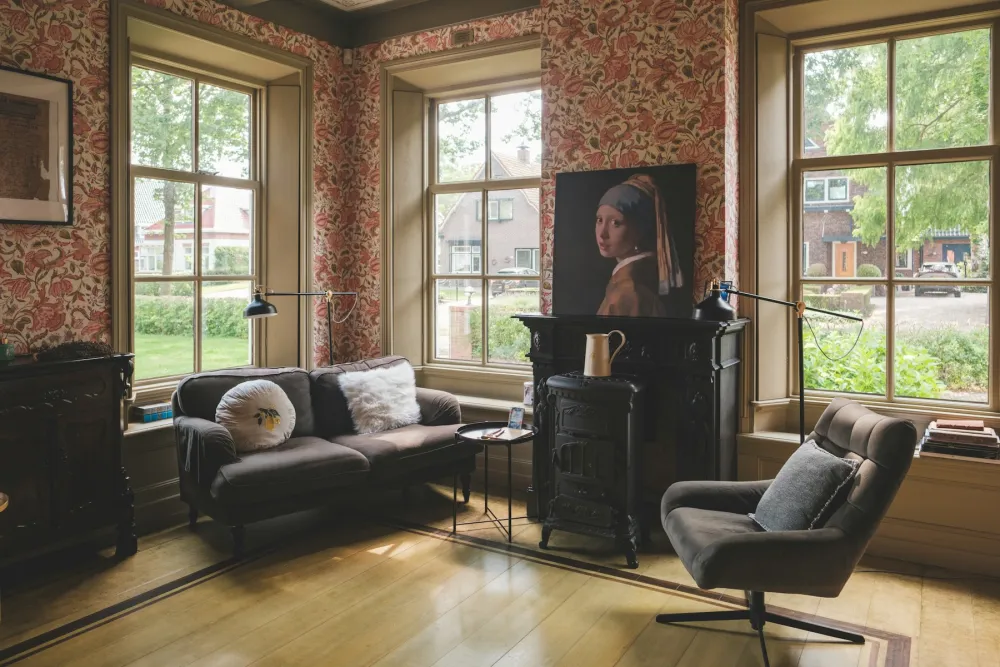
Painting and papering in one job
Decorating often mixes the two: a papered feature wall in a room that is otherwise painted, lining paper on a cracked wall before emulsion, or a hallway stripped of old paper and repainted. Doing it as one job keeps the order right, ceiling first, then paper, then woodwork, and everything is finished together. If you only need paint, the wall painting page covers that.
Wallpaper removal
How long wallpaper removal takes depends on what is on the wall. Modern paste-the-wall and vinyl papers often peel off dry, leaving a backing layer that soaks off easily. Older papers, several layers, or paper that has been painted over need scoring and steaming, which is slow, careful work.
The risk is the plaster underneath. In older houses, paper is sometimes the only thing holding weak or blown plaster together, and the wall can look worse once stripped. After removal, every trace of old paste is washed off, because leftover paste makes new paint crack and flake. The wall is then filled and sanded, or lined if it is too uneven to paint well. As an example, stripping wallpaper from the walls of a medium room typically comes to £240–£380.
Can you paint over wallpaper?
It is possible, but rarely a good idea. Water in the paint can make seams lift and bubble, and painted paper is much harder to remove in future. It can work on sound, well-stuck lining paper, which is made to be painted, but patterned and vinyl wallpapers should be stripped first.
Lining paper and damaged plaster
Lining paper is a plain paper hung over the wall to give a smooth, even base. It is useful over lots of hairline cracks, slightly uneven plaster and old walls where a full re-skim would be out of proportion. Heavier grades such as 1400 and 1700 hide more. It is either painted with emulsion or used under a decorative paper, in which case it is usually hung horizontally so its joints do not line up with the wallpaper above.
Lining paper is not a cure for damp, loose plaster or large cracks. Those need repairing first, and a badly damaged wall may need a plasterer before any decorating starts.
Wallpaper hanging
Hanging wallpaper well comes down to setting out: finding a true vertical, planning where the first drop goes so the pattern is centred on a chimney breast or focal wall, and working out where the last, mismatched join will fall, ideally in a corner nobody looks at. Papers with a large pattern repeat use more rolls because of the waste in matching.
Different papers need different handling. Paste-the-wall papers go up quickly; traditional papers must be pasted and left to soak for a set time; grasscloth, silk and hand-printed papers are delicate and unforgiving. Tell us what you have chosen, and check that every roll carries the same batch number before work starts.
Feature walls and period rooms
A papered wall behind a bed or on a chimney breast is a common request, and it suits the tall rooms and deep alcoves of Ealing's Victorian houses. Papering above a dado or picture rail is another traditional option. Our guide to decorating Victorian homes has ideas for colours and finishes that work with period features.
To price a decorating job, the Instant Quote lets you include wallpaper stripping and papering alongside painting. Add photos of the existing walls so the decorator can see what is coming off before confirming a fixed quote.
What changes the price
- Number of paper layers
- Several layers, or paper that has been painted over, take much longer to steam off.
- Plaster underneath
- Weak or damaged plaster revealed by stripping needs filling, lining or a plasterer.
- Type of wallpaper
- Delicate, hand-printed or heavy papers are slower to hang than standard paste-the-wall papers.
- Pattern repeat
- Large repeats mean more careful matching and more waste.
- Room shape
- Alcoves, chimney breasts, windows and sloping ceilings add cuts and time.
Every one of these is a question in the Instant Quote, so your range reflects your job. See typical figures in the price guide.
Questions people ask
How long does it take to strip wallpaper from a room?
A single modern layer can come off a medium room in a few hours. Several painted-over layers can take a full day or more before any repairs begin.
Who supplies the wallpaper?
Most people choose and buy their own wallpaper, since it is such a personal choice. The quote tells you how many rolls to allow for your room and pattern repeat.
Can wallpaper be hung on a ceiling?
Yes. Lining paper and some decorative papers can go on ceilings, although it is slower work and needs proper access equipment.
Should I use lining paper before wallpaper?
On older or uneven walls it gives a better, longer-lasting result. On smooth, sound plaster it is often not needed.
Why does my wall look worse now the paper is off?
Old paper often hides cracks, patches and weak plaster. These are filled or lined after stripping, and anything serious is flagged before decorating continues.
Related
Often priced together
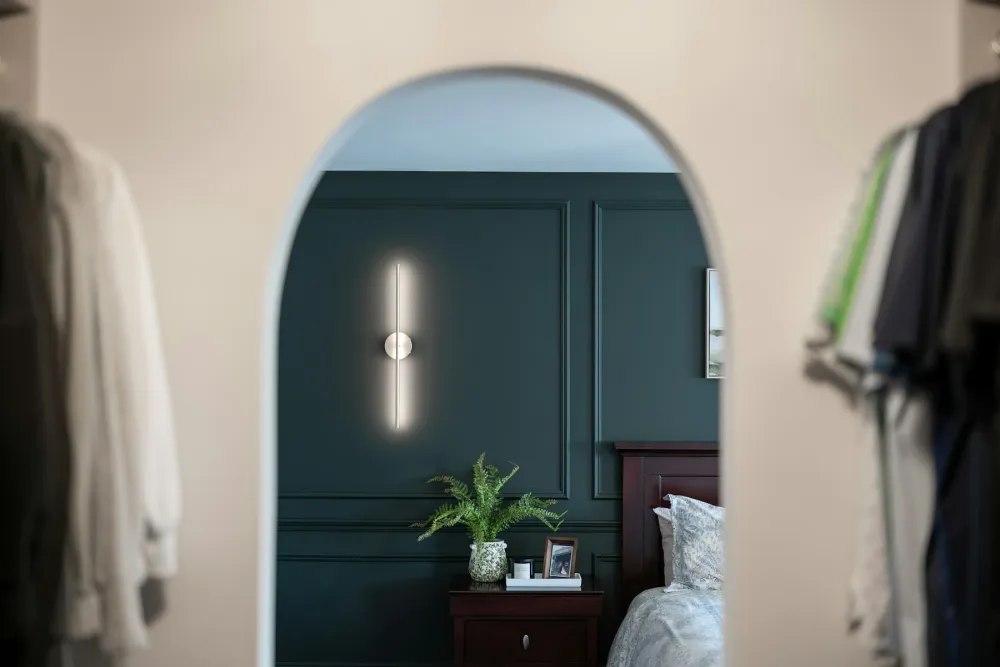
Room & wall painting
Single rooms, feature walls, colour changes
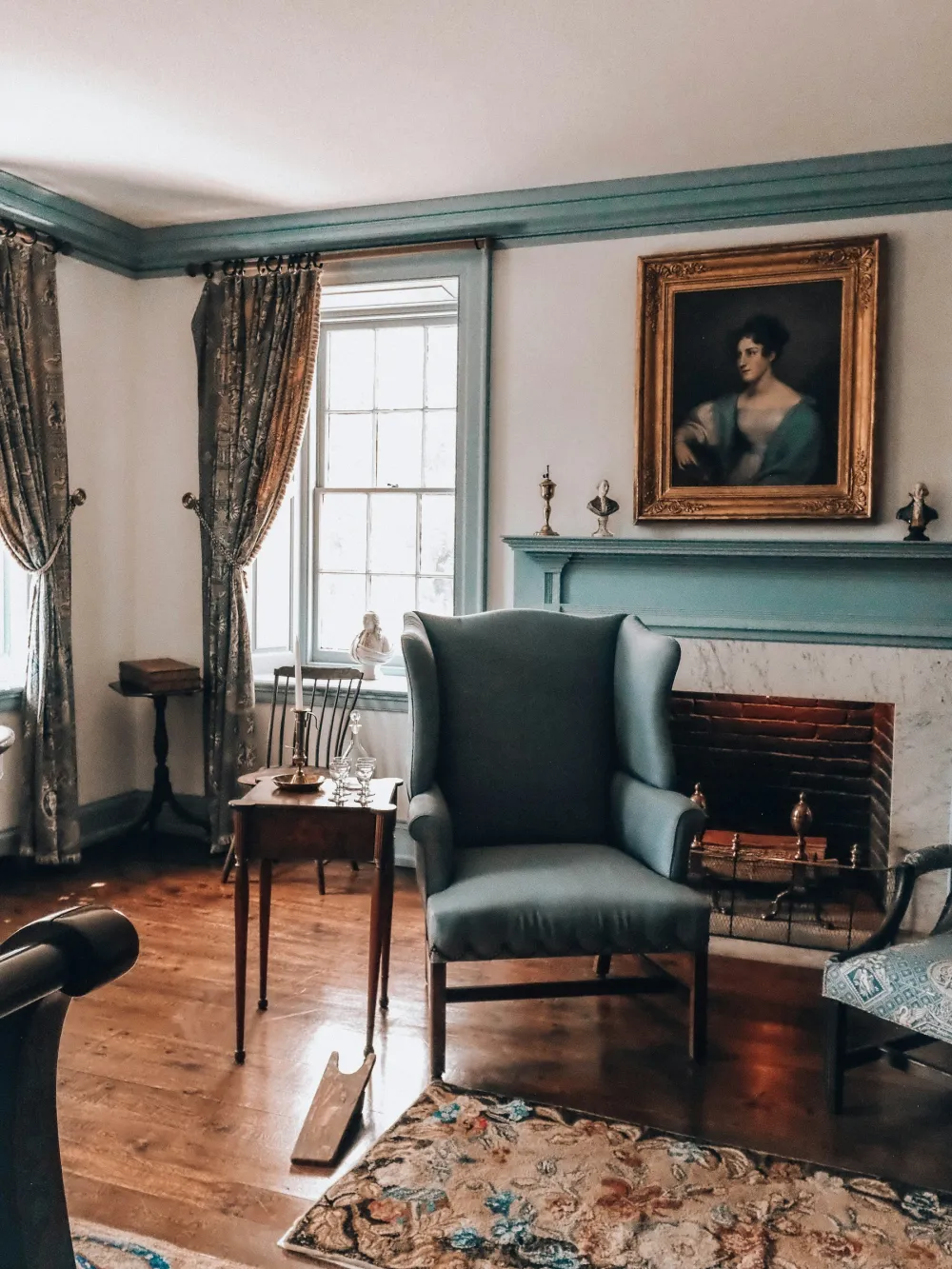
Interior painting
Houses and flats, room by room or throughout
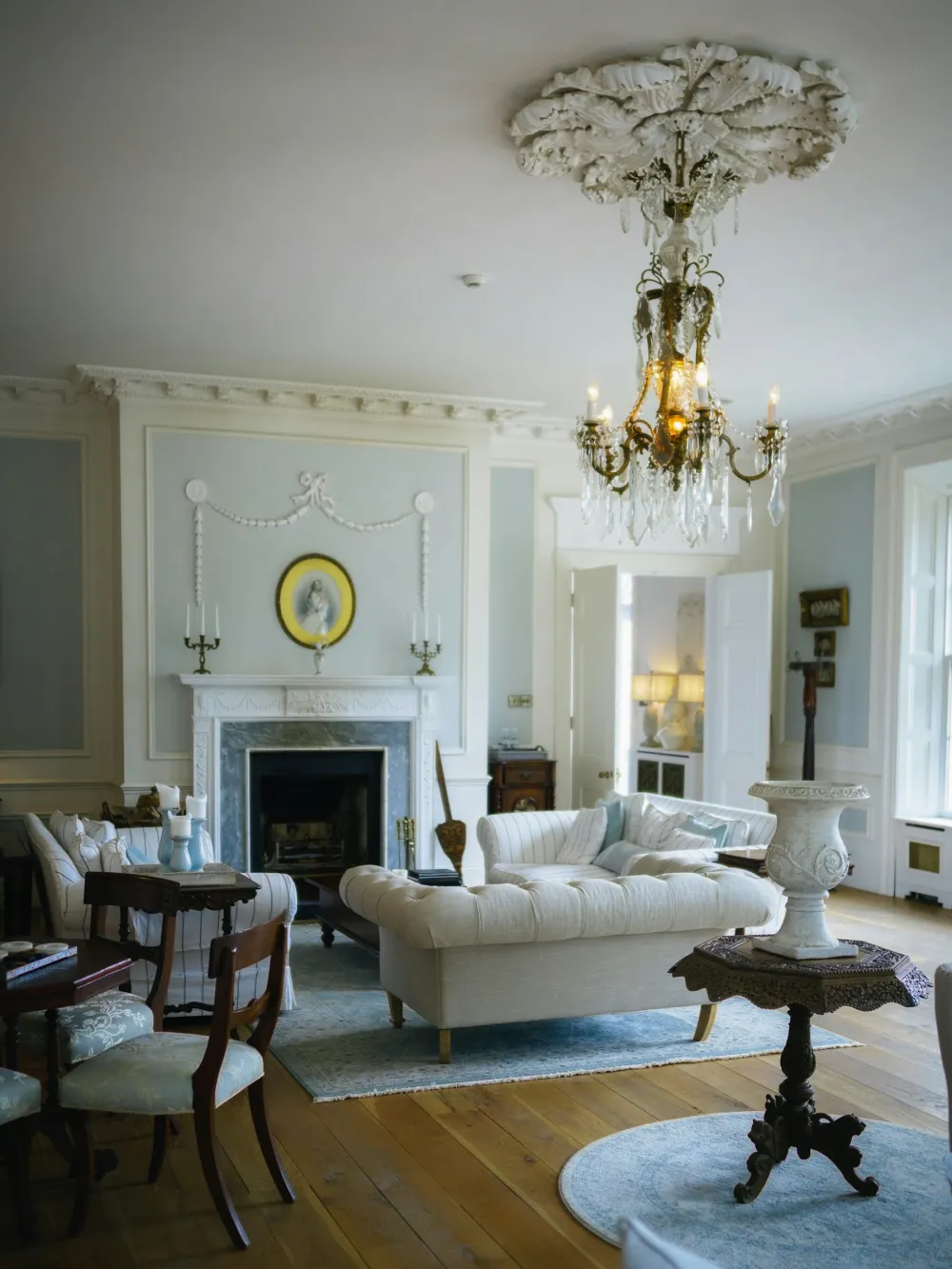
Full property repainting
Whole homes, moving in, after renovation
Local pages where this work features: Ealing · every part of the borough
An indicative price for your decorating & wallpapering
Describe the work and see an indicative range straight away. A decorator then reviews it and confirms a fixed quotation.