Commercial painting
Commercial painting and decorating
Commercial painting for shops, restaurants, cafés, salons, clinics and small commercial units. The focus is on keeping disruption to trading low, choosing finishes that stand up to the use, and getting the paperwork right.

Painting a business that has to keep trading
For most small businesses, closing costs more than the painting. Commercial work is therefore planned around trading hours: evenings and nights after closing, early starts before opening, or days when the unit is quiet. Larger jobs can be split into phases, such as back-of-house first, then one side of the shop floor at a time.
Fast-drying, low-odour water-based paints mean staff and customers can be back in the space soon after the work finishes, which matters for food businesses and treatment rooms.
Finishes for heavy use and food areas
- Shop floors and corridors: scrubbable, high-durability emulsions that can be cleaned without going shiny.
- Kitchens and food preparation areas: hygienic, washable coatings that stand up to regular cleaning, chosen with your food safety obligations in mind.
- Salons and clinics: wipeable, stain-resistant finishes that tolerate cleaning products.
- Doors, frames and counters: hard-wearing trim paints that cope with constant contact.
Where particular hygiene or fire performance is needed, product data sheets can be supplied so you can check them against your own requirements. In busy units, corners and door edges that are knocked daily can be fitted with clear or metal guards after painting, which saves repainting them every year.
Brand colours and shopfronts
Brand colours need matching exactly, usually from a colour reference or a physical sample, and checking in the real light of the unit before the whole area is painted. Strong reds, yellows and oranges often need a tinted basecoat to reach full colour.
Shopfronts face the street, and changes to them can need planning or advertisement consent, particularly on listed buildings and in conservation areas, which cover parts of Ealing's town centres. Painting a timber shopfront also needs exterior preparation and microporous paint; the exterior painting page explains more.
Risk assessments, method statements and site visits
Many commercial clients, landlords and facilities managers ask for paperwork before work starts, usually RAMS: risk assessments and method statements. They set out how the work will be done safely around staff and the public, what access equipment is used and how the area is protected. If you need them, say so in your enquiry; the decorator confirms what will be supplied with the quote.
A site visit is usually needed for commercial work, to measure the space, check access and agree working hours. Starting with the Instant Quote, with photos and a short description, means the visit can focus on the details; the fixed quote follows it.
Deliveries, parking and building rules
Units on busy high streets across Ealing, Acton and Southall often have no loading bay, restricted delivery times and controlled parking outside. Materials and equipment are planned around those limits. Where a unit is part of a managed parade or building, the landlord's or managing agent's rules on working hours, noise, alarms and keys are agreed before the start.
What affects the cost of commercial painting
The size and height of the space, the number of phases, whether work happens out of hours, the finishes specified and the protection needed for stock, equipment and fittings all shape the price. A small café repainted over two nights is a very different job from a clinic done room by room around appointments.
The quote lists the areas included, the preparation, the products and the agreed working hours, so it can be approved by a landlord, franchisor or head office where that is needed.
If you are looking for commercial painters in London for an office rather than a shop or restaurant, see the separate office painting page.
What changes the price
- Working hours
- Evening, overnight or weekend work costs more than normal daytime hours.
- Phasing
- Splitting the job to keep trading means more setting up and clearing down.
- Specified finishes
- Hygienic, high-durability or fire-rated coatings cost more than standard emulsion.
- Height and access
- High ceilings and shop voids need towers or platforms.
- Protection needed
- Stock, equipment and fixed fittings can take significant time to cover.
- Colour changes
- Strong brand colours may need tinted basecoats and extra coats.
Every one of these is a question in the Instant Quote, so your range reflects your job. See typical figures in the price guide.
Questions people ask
Can our shop be painted outside opening hours?
Out-of-hours work can be arranged so you keep trading. The working hours are agreed at the site visit and reflected in the fixed quote.
Can you provide RAMS?
Tell us in your enquiry if your building or landlord requires risk assessments and method statements. The decorator reviewing it confirms what paperwork will be supplied, and when, as part of the quote.
Do you need to visit the premises?
Usually, yes. Commercial spaces vary too much to price accurately from photos alone.
What paint is suitable for a commercial kitchen?
A hygienic, washable coating designed for food environments, applied to clean, degreased surfaces. Check it against your own food safety requirements.
Can you match our brand colours?
Yes, from a colour reference or a physical sample. Strong colours are checked on site before the whole area is painted.
Can a clinic or salon be painted room by room?
Yes. Treatment rooms can be done one or two at a time around appointments, and each room is ready to use once the paint is dry and the room has been aired.
Related
Often priced together
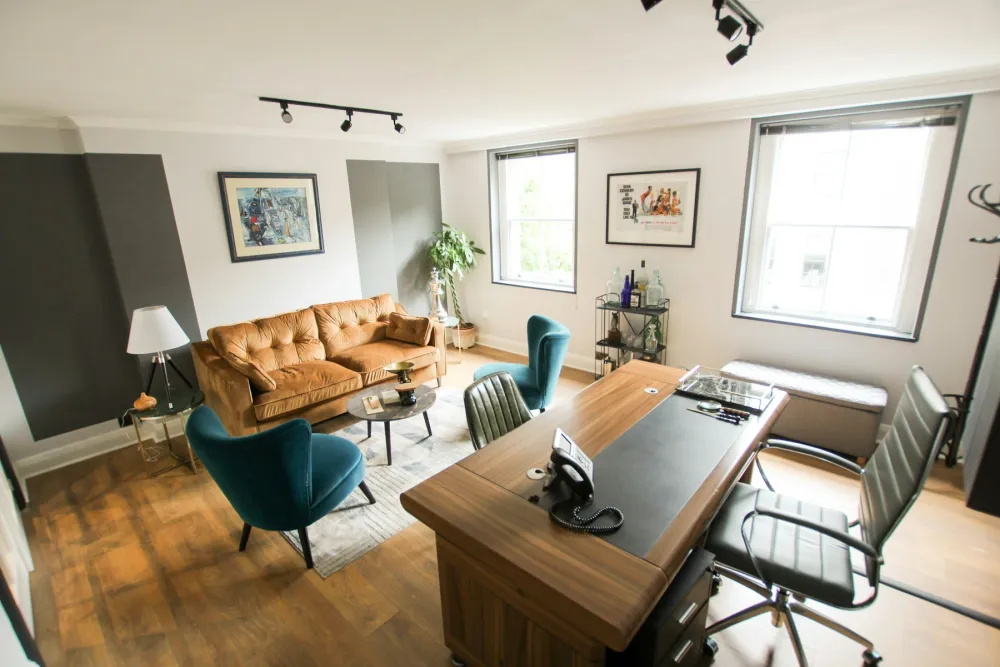
Office painting
Evenings, weekends, end-of-lease
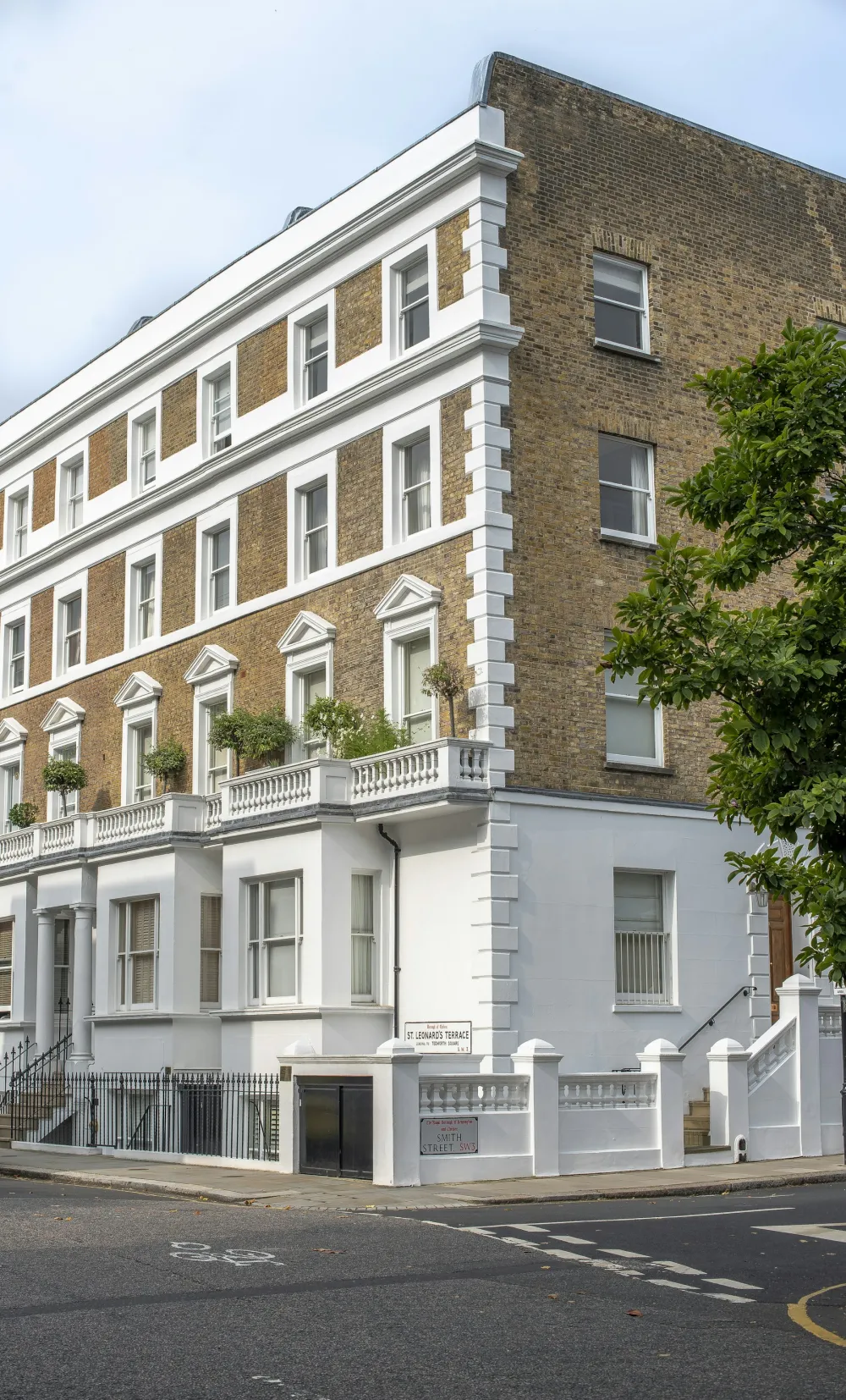
Communal areas & blocks
Stairwells, entrances, managing agents
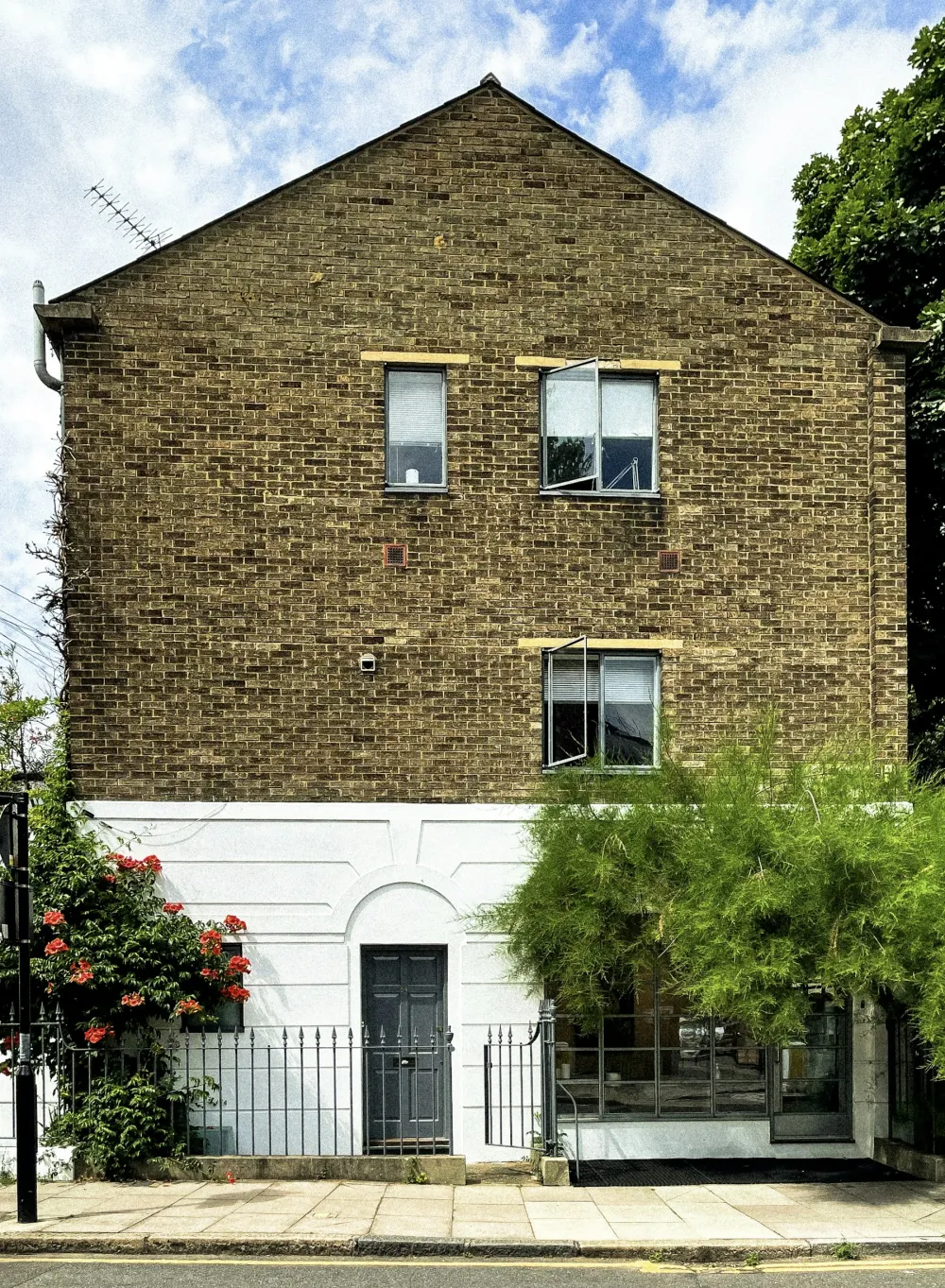
Exterior painting
Masonry, render, windows, doors, soffits
Local pages where this work features: Acton · Perivale · every part of the borough
An indicative price for your commercial painting
Describe the work and see an indicative range straight away. A decorator then reviews it and confirms a fixed quotation.