Guide
Preparing your home before the painters arrive
A little preparation before the first day makes decorating quicker, cleaner and less disruptive. This guide covers what to sort out yourself, what the decorator usually does, and the common mistakes that spoil a finish.
Agree the details before the first day
Most delays on decorating jobs come from decisions left to the last minute. A week or so before work starts, make sure you and your decorator have agreed:
- Exact colours: the manufacturer, colour name and code for every surface, including ceilings and woodwork. "Off-white" is not a colour reference.
- Finishes: matt, eggshell, satin or gloss for each surface.
- Who supplies the paint: the decorator can supply trade-quality paint, or you can buy your own. If you are buying it, check quantities with your decorator and have it delivered before day one. Our paint calculator gives a rough guide to how much you need.
- Scope: which rooms, which surfaces and what preparation is included. If you want something extra, such as a cupboard interior or a radiator, say so now.
Your fixed quote sets out the agreed scope. If anything in it is unclear, ask before the start date rather than on the day.
Clear the rooms
The more space a decorator has, the faster and cleaner the job goes. Before the start date:
- Small items: remove ornaments, books, lamps, plants and everything on shelves and windowsills.
- Walls: take down pictures, mirrors, clocks and shelves if you can. Keep the screws and fixings in a labelled bag if you want things rehung in the same place.
- Curtains and blinds: take them down, or ask whether the decorator will remove and rehang them.
- Furniture: move smaller pieces out of the room. Wardrobes, sofas and beds can usually be moved to the middle and covered, but mention anything very heavy or fragile, such as a piano, in advance.
- Valuables and paperwork: put jewellery, cash, medication, important documents and anything irreplaceable somewhere secure and away from the work area.
Empty wardrobes and chests of drawers are much easier and safer to move than full ones.
Parking, access and keys
Much of central Ealing, West Ealing and Acton is covered by controlled parking zones (CPZs). A decorator arrives with ladders, dust sheets, tools and paint, so parking close to the house matters. We ask about parking when a job is quoted, but it helps if you:
- check your zone's operating hours and whether you can buy visitor parking for tradespeople through Ealing Council;
- arrange the permit or visitor session before the first day, so nobody is looking for a space at eight in the morning;
- tell us about anything that affects access, such as a shared entrance, a concierge, lift booking rules in a block of flats or a residents' car park.
Agree how the decorator will get in each day. If you will be out, arrange keys or a key safe. For exterior work, make sure side gates are unlocked and pots and garden furniture are moved away from the walls.
Pets, children and working from home
Ladders, open tins and wet surfaces do not mix well with small children or pets.
- Keep pets out of the rooms being worked on, ideally in a separate room with the door shut. Hair and paw prints on a fresh skirting are a common problem.
- Young children should stay away from ladders and work areas. Doors to rooms being decorated may need to stay open for access and ventilation, so plan how to keep little ones out.
- If you work from home, use a room that is not being decorated in the first few days, and expect some noise from scraping, sanding and moving furniture.
Modern water-based paints have little smell, but anyone sensitive to fumes, including people with breathing conditions and pregnant women, may prefer to be elsewhere while oil-based products are used. Ask what is planned for each room.
Living in the house during the work
Most interior decorating is done with people living at home, and it works well with a little planning.
- Water and bathroom: the decorator will need water for cleaning brushes and access to a toilet. Agree which bathroom to use. If the bathroom itself is being painted, expect it to be out of use for some of the time.
- Ventilation: windows are usually opened to help paint dry. Keep that in mind for security when you go out.
- Heating: in cold weather, keep the house reasonably warm. Paint dries slowly in cold, damp rooms.
- Moving back in: emulsion is usually touch-dry within a few hours, but it takes days to harden. Put furniture back gently and avoid pushing it against walls for a few days. Doors and woodwork can stay tacky for longer.
Tell us before work starts if there are dates you need a room back, such as guests arriving, so the order of work can be planned around them.
What happens on day one
The first day is mostly about protecting your home and preparing surfaces, so it is normal to see very little new colour by the end of it. Typically the decorator will:
- walk through the rooms with you to confirm the scope, the colours and anything that needs extra care;
- lay dust sheets over floors and furniture, and protect the stairs and routes through the house;
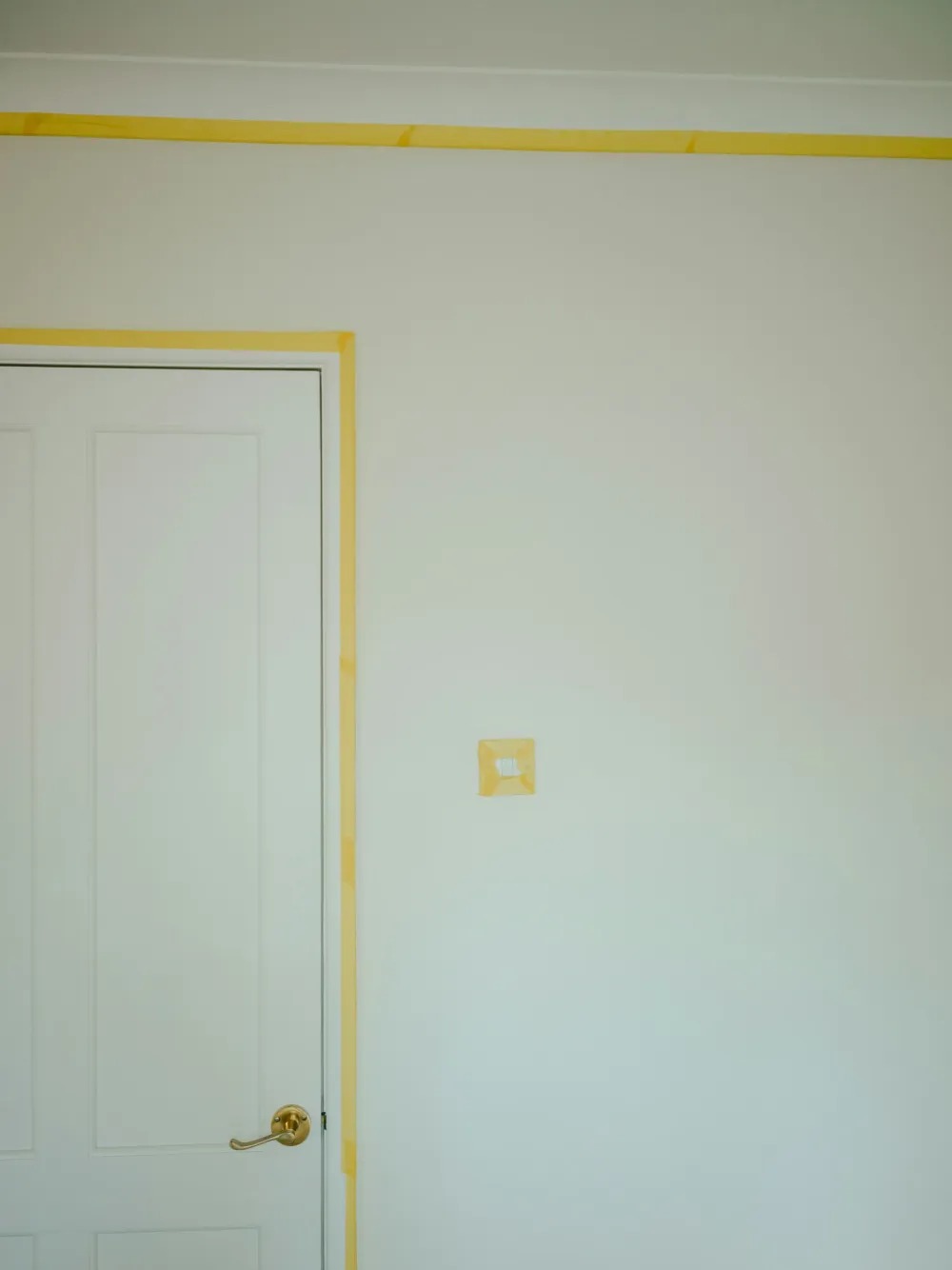
- mask edges such as switches, sockets, flooring and glass where needed;
- start preparation: washing down, filling cracks, sanding, caulking gaps and priming stains or bare wood.
Decorators usually tidy the work area at the end of each day and keep tools and tins together in one place. If something is not as you expected, say so early. Any change to the agreed work is explained and agreed with you before it is done.
Common decorating mistakes to avoid
Whether you are doing some of the work yourself or planning a job, these are the mistakes that most often spoil a finish:
- Skipping preparation. Paint over dust, grease, cracks or flaking layers fails early. Washing down, filling and sanding take time, but they are what make a finish last.
- The wrong sheen. Standard matt in a busy hallway marks quickly. Gloss on uneven old plaster shows every bump. Match the sheen to the surface and the wear it gets.
- Cheap paint on woodwork. Budget trim paints often need extra coats, chip easily and yellow sooner, and doors and skirting take more wear than almost any other surface.
- Painting over mould or damp. Mould grows back through fresh paint unless it is treated with a fungicidal wash first, and damp patches stain and blister again unless the cause is fixed. See mould and stain treatment painting.
- No mist coat on new plaster. New plaster must dry out fully and then take a thinned first coat, or the paint can peel.
- Not testing colours. A small patch rarely shows how a colour will look across a room. Our guide to choosing paint colours explains how to test properly.
Once you know what you want done, the Instant Quote gives an indicative price range. You can add photos, and a decorator reviews them before giving you a fixed quote.